Buy foofl.com ?
We are moving the project
foofl.com .
Are you interested in purchasing the domain
foofl.com ?
domain@kv-gmbh.de · 0541-91531010
Buy foofl.com ?
Why are hydrogen bonds stronger than dipole-dipole interactions?
Hydrogen bonds are stronger than dipole-dipole interactions because they involve a specific interaction between a hydrogen atom and a highly electronegative atom such as oxygen, nitrogen, or fluorine. This creates a strong partial positive charge on the hydrogen atom and a strong partial negative charge on the electronegative atom, leading to a strong attraction between the two. In contrast, dipole-dipole interactions occur between the partial positive and negative charges of polar molecules, which are generally weaker than the specific interaction between a hydrogen atom and a highly electronegative atom in a hydrogen bond. **
Why do ethers have only weak dipole-dipole interactions?
Ethers have only weak dipole-dipole interactions because the oxygen atom in the ether molecule is less electronegative than the oxygen atom in alcohols or the nitrogen atom in amines. This results in a smaller difference in electronegativity between the oxygen and the carbon atoms in the ether molecule, leading to weaker dipole moments. As a result, the overall dipole-dipole interactions in ethers are weaker compared to molecules with larger electronegativity differences, such as alcohols and amines. **
Similar search terms for Dipole
Top-Angebote
Products related to Dipole:
-
Hydro Flask Medium Insulated Food Jar BlackTillverkad i 18/8 rostfritt stål av hög kvalitet för lång hållbarhet, ren smak och utan smaköverföring. TempShield® dubbelväggig vakuumisolering. Color Last™ pulverlack ger en slitstark, kondensfri och färgbeständig yta. Rymmer 20 oz / 591 ml. Tål diskmaskin. Får ej användas i mikrovågsugn, frys eller på spis.599,00 SEK*Shipping: 0,00 SEKSecure redirect to the provider
-
Hydro Flask Large Insulated Food Jar BlackTillverkad i 18/8 rostfritt stål av hög kvalitet för lång hållbarhet, ren smak och utan smaköverföring. TempShield® dubbelväggig vakuumisolering. Color Last™ pulverlack ger en slitstark, kondensfri och färgbeständig yta. Rymmer 28 oz / 828 ml. Tål diskmaskin. Får ej användas i mikrovågsugn, frys eller på spis.649,00 SEK*Shipping: 0,00 SEKSecure redirect to the provider
-
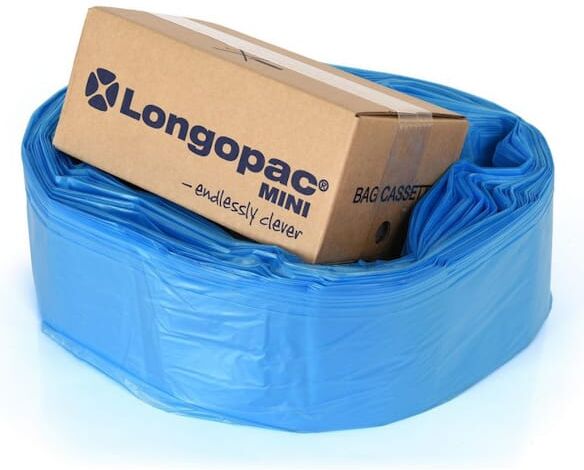
Säckkassett LONGOPAC Mini Food 60m blÃ¥Longopac säckkassett är hygienisk och smart då byte och förslutning av säck sker från säckens utsida, ingen kontakt med avfallet.Longopac säcksystem är ett kostnadseffektivt och lätthanterligt avfallssystem, baserat på ett tunt men starkt säckmaterial av polyeten i tre skikt. Säckmaterialet veckas till kompakta magasin och laddas på säckstället. Säckarna försluts vid behov med buntband. Buntband ingår.3-skikts polyteten60 mFärg: BlåIngår 75 st buntbandDiameter 357 mmLivsmedelsgodkänd\n\nhttps://www.youtube.com/watch?v=PYyEWJgx0cU\n\n317,50 SEK*Shipping: 85,00 SEKSecure redirect to the provider
-
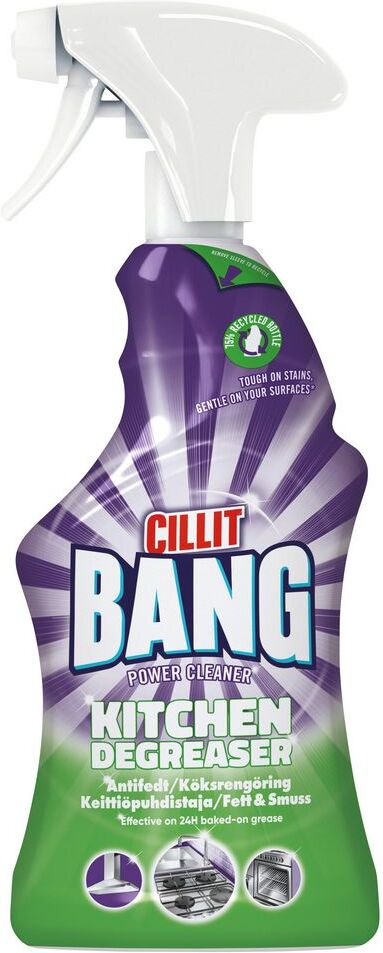
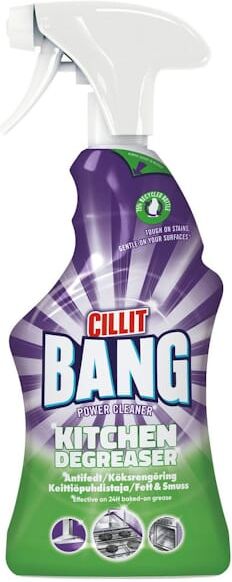
CILIT BANG Allrengöring Kitchen Degreaser 750mlKöksrengöring som är perfekt för att ta bort matfläckar, fett med mera. Kitchen Degreaser från Cillit Bang tar effektivt bort kökssmuts som annars kan vara svår att få bort. Den effektiva rengöringssprayen innehåller effektiva och ytaktiva ämnen, som gör formulan 100% avfettande, så att du enkelt kan rengöra utan att skrubba. Sprayen tar snabbt och effektivt bort matfläckar, brända matrester, smuts och även det svåraste fettet från de vanligaste ytorna i köket och skapar en bra grund för ett rent och hälsosamt kök. Flaska av 75% återvunnen plast. Effektiv borttagning av smuts pH-värde: 10,4-11,4 Lukt: Parfymerad Utseende: Vit/gulaktig vätska65,00 SEK*Shipping: 79,00 SEKSecure redirect to the provider


-
How do dipole-dipole forces affect the boiling temperature?
Dipole-dipole forces are attractive forces between the positive end of one polar molecule and the negative end of another polar molecule. These forces cause the molecules to be attracted to each other and stick together, making it more difficult for them to break apart and become a gas. As a result, substances with stronger dipole-dipole forces will have higher boiling temperatures because more energy is required to overcome these attractive forces and turn the substance into a gas. Therefore, the presence of dipole-dipole forces can increase the boiling temperature of a substance. **
-
Is the ammonia molecule a dipole or not a dipole?
The ammonia molecule is a dipole. This is because the molecule has a trigonal pyramidal shape with a lone pair of electrons on the nitrogen atom. The electronegativity difference between nitrogen and hydrogen causes the molecule to have a net dipole moment, with the nitrogen end being partially negative and the hydrogen end being partially positive. This makes ammonia a polar molecule. **
-
Why is CO2 not a dipole and H2O a dipole?
CO2 is not a dipole because it has a linear molecular geometry, meaning the two oxygen atoms are symmetrically arranged around the central carbon atom, resulting in a net dipole moment of zero. On the other hand, H2O is a dipole because it has a bent molecular geometry, causing the oxygen atom to pull the shared electrons closer to itself, resulting in a net dipole moment. This uneven distribution of charge creates a positive end (the hydrogen atoms) and a negative end (the oxygen atom), making H2O a polar molecule. **
-
What is the difference between hydrogen bonding and dipole-dipole interactions?
Hydrogen bonding is a specific type of dipole-dipole interaction that occurs between a hydrogen atom bonded to a highly electronegative atom (such as oxygen, nitrogen, or fluorine) and another electronegative atom in a different molecule. This type of interaction is stronger than regular dipole-dipole interactions because of the large electronegativity difference between the hydrogen and the other atom, resulting in a stronger attraction between the molecules. In contrast, dipole-dipole interactions occur between the positive end of one polar molecule and the negative end of another polar molecule, but do not involve a hydrogen atom bonded to a highly electronegative atom. **

What is the difference between a dipole and a non-dipole?
A dipole is a molecule that has a separation of positive and negative charges, resulting in a net dipole moment. This means that the molecule has a non-uniform distribution of electron density, leading to a partial positive and partial negative charge. On the other hand, a non-dipole molecule has a symmetrical distribution of electron density, resulting in no net dipole moment. This means that the molecule does not have a separation of positive and negative charges, and therefore does not exhibit dipole-dipole interactions. **
What is the difference between dipole-dipole forces and hydrogen bonds?
Dipole-dipole forces are attractive forces between the positive end of one polar molecule and the negative end of another polar molecule. These forces occur between any two polar molecules and are relatively weaker than hydrogen bonds. On the other hand, hydrogen bonds are a specific type of dipole-dipole force that occurs between a hydrogen atom bonded to a highly electronegative atom (such as oxygen, nitrogen, or fluorine) and a lone pair of electrons on another highly electronegative atom. This type of bond is stronger than regular dipole-dipole forces and is responsible for the unique properties of water and other molecules with hydrogen bonding. **
Top-Angebote
Products related to Dipole:
-
Hydro Flask Medium Insulated Food Jar BlackTillverkad i 18/8 rostfritt stål av hög kvalitet för lång hållbarhet, ren smak och utan smaköverföring. TempShield® dubbelväggig vakuumisolering. Color Last™ pulverlack ger en slitstark, kondensfri och färgbeständig yta. Rymmer 20 oz / 591 ml. Tål diskmaskin. Får ej användas i mikrovågsugn, frys eller på spis.599,00 SEK*Shipping: 0,00 SEKSecure redirect to the provider
-
Hydro Flask Large Insulated Food Jar BlackTillverkad i 18/8 rostfritt stål av hög kvalitet för lång hållbarhet, ren smak och utan smaköverföring. TempShield® dubbelväggig vakuumisolering. Color Last™ pulverlack ger en slitstark, kondensfri och färgbeständig yta. Rymmer 28 oz / 828 ml. Tål diskmaskin. Får ej användas i mikrovågsugn, frys eller på spis.649,00 SEK*Shipping: 0,00 SEKSecure redirect to the provider
-
Why are hydrogen bonds stronger than dipole-dipole interactions?
Hydrogen bonds are stronger than dipole-dipole interactions because they involve a specific interaction between a hydrogen atom and a highly electronegative atom such as oxygen, nitrogen, or fluorine. This creates a strong partial positive charge on the hydrogen atom and a strong partial negative charge on the electronegative atom, leading to a strong attraction between the two. In contrast, dipole-dipole interactions occur between the partial positive and negative charges of polar molecules, which are generally weaker than the specific interaction between a hydrogen atom and a highly electronegative atom in a hydrogen bond. **
-
Why do ethers have only weak dipole-dipole interactions?
Ethers have only weak dipole-dipole interactions because the oxygen atom in the ether molecule is less electronegative than the oxygen atom in alcohols or the nitrogen atom in amines. This results in a smaller difference in electronegativity between the oxygen and the carbon atoms in the ether molecule, leading to weaker dipole moments. As a result, the overall dipole-dipole interactions in ethers are weaker compared to molecules with larger electronegativity differences, such as alcohols and amines. **
-
How do dipole-dipole forces affect the boiling temperature?
Dipole-dipole forces are attractive forces between the positive end of one polar molecule and the negative end of another polar molecule. These forces cause the molecules to be attracted to each other and stick together, making it more difficult for them to break apart and become a gas. As a result, substances with stronger dipole-dipole forces will have higher boiling temperatures because more energy is required to overcome these attractive forces and turn the substance into a gas. Therefore, the presence of dipole-dipole forces can increase the boiling temperature of a substance. **
-
Is the ammonia molecule a dipole or not a dipole?
The ammonia molecule is a dipole. This is because the molecule has a trigonal pyramidal shape with a lone pair of electrons on the nitrogen atom. The electronegativity difference between nitrogen and hydrogen causes the molecule to have a net dipole moment, with the nitrogen end being partially negative and the hydrogen end being partially positive. This makes ammonia a polar molecule. **
Similar search terms for Dipole
-
Säckkassett LONGOPAC Mini Food 60m blÃ¥Longopac säckkassett är hygienisk och smart då byte och förslutning av säck sker från säckens utsida, ingen kontakt med avfallet.Longopac säcksystem är ett kostnadseffektivt och lätthanterligt avfallssystem, baserat på ett tunt men starkt säckmaterial av polyeten i tre skikt. Säckmaterialet veckas till kompakta magasin och laddas på säckstället. Säckarna försluts vid behov med buntband. Buntband ingår.3-skikts polyteten60 mFärg: BlåIngår 75 st buntbandDiameter 357 mmLivsmedelsgodkänd\n\nhttps://www.youtube.com/watch?v=PYyEWJgx0cU\n\n317,50 SEK*Shipping: 85,00 SEKSecure redirect to the provider
-
CILIT BANG Allrengöring Kitchen Degreaser 750mlKöksrengöring som är perfekt för att ta bort matfläckar, fett med mera. Kitchen Degreaser från Cillit Bang tar effektivt bort kökssmuts som annars kan vara svår att få bort. Den effektiva rengöringssprayen innehåller effektiva och ytaktiva ämnen, som gör formulan 100% avfettande, så att du enkelt kan rengöra utan att skrubba. Sprayen tar snabbt och effektivt bort matfläckar, brända matrester, smuts och även det svåraste fettet från de vanligaste ytorna i köket och skapar en bra grund för ett rent och hälsosamt kök. Flaska av 75% återvunnen plast. Effektiv borttagning av smuts pH-värde: 10,4-11,4 Lukt: Parfymerad Utseende: Vit/gulaktig vätska65,00 SEK*Shipping: 79,00 SEKSecure redirect to the provider
-
Allrent CILLITBANG Kitchen Degreas 750ml 6stKöksrengöring som är perfekt för att ta bort matfläckar, fett med mera.Kitchen Degreaser från Cillit Bang tar effektivt bort kökssmuts som annars kan vara svår att få bort. Den effektiva rengöringssprayen innehåller effektiva och ytaktiva ämnen, som gör formulan 100% avfettande, så att du enkelt kan rengöra utan att skrubba.Sprayen tar snabbt och effektivt bort matfläckar, brända matrester, smuts och även det svåraste fettet från de vanligaste ytorna i köket och skapar en bra grund för ett rent och hälsosamt kök.Flaska av 75% återvunnen plast.Effektiv borttagning av smutspH-värde: 10,4-11,4Lukt: ParfymeradUtseende: Vit/gulaktig vätska\n\n442,50 SEK*Shipping: 85,00 SEKSecure redirect to the provider
-
Allrent AJAX Kitchen Grease Spray 750ml 12stEn fettlösande spray för enastående resultat varje dag.För effektiv fettlösande rengöring i köksutrymmen.Ajax köksspray tar bort svåra fläckar och ingrodd smuts, produkten är miljömärkt.Tar effektivt bort olja, kladdiga matrester, ingrodd smuts och t.o.m. fastbränt fett.pH-värde: 10,6-11,4Utseende: färglös vätskaEU Ecolabel licensnummer: DK/20/013\n\n750,00 SEK*Shipping: 85,00 SEKSecure redirect to the provider
-
Why is CO2 not a dipole and H2O a dipole?
CO2 is not a dipole because it has a linear molecular geometry, meaning the two oxygen atoms are symmetrically arranged around the central carbon atom, resulting in a net dipole moment of zero. On the other hand, H2O is a dipole because it has a bent molecular geometry, causing the oxygen atom to pull the shared electrons closer to itself, resulting in a net dipole moment. This uneven distribution of charge creates a positive end (the hydrogen atoms) and a negative end (the oxygen atom), making H2O a polar molecule. **
-
What is the difference between hydrogen bonding and dipole-dipole interactions?
Hydrogen bonding is a specific type of dipole-dipole interaction that occurs between a hydrogen atom bonded to a highly electronegative atom (such as oxygen, nitrogen, or fluorine) and another electronegative atom in a different molecule. This type of interaction is stronger than regular dipole-dipole interactions because of the large electronegativity difference between the hydrogen and the other atom, resulting in a stronger attraction between the molecules. In contrast, dipole-dipole interactions occur between the positive end of one polar molecule and the negative end of another polar molecule, but do not involve a hydrogen atom bonded to a highly electronegative atom. **
-
What is the difference between a dipole and a non-dipole?
A dipole is a molecule that has a separation of positive and negative charges, resulting in a net dipole moment. This means that the molecule has a non-uniform distribution of electron density, leading to a partial positive and partial negative charge. On the other hand, a non-dipole molecule has a symmetrical distribution of electron density, resulting in no net dipole moment. This means that the molecule does not have a separation of positive and negative charges, and therefore does not exhibit dipole-dipole interactions. **
-
What is the difference between dipole-dipole forces and hydrogen bonds?
Dipole-dipole forces are attractive forces between the positive end of one polar molecule and the negative end of another polar molecule. These forces occur between any two polar molecules and are relatively weaker than hydrogen bonds. On the other hand, hydrogen bonds are a specific type of dipole-dipole force that occurs between a hydrogen atom bonded to a highly electronegative atom (such as oxygen, nitrogen, or fluorine) and a lone pair of electrons on another highly electronegative atom. This type of bond is stronger than regular dipole-dipole forces and is responsible for the unique properties of water and other molecules with hydrogen bonding. **
* All prices are inclusive of VAT and, if applicable, plus shipping costs. The offer information is based on the details provided by the respective shop and is updated through automated processes. Real-time updates do not occur, so deviations can occur in individual cases. ** Note: Parts of this content were created by AI.