Buy foofl.com ?
We are moving the project
foofl.com .
Are you interested in purchasing the domain
foofl.com ?
domain@kv-gmbh.de · 0541-91531010
Buy foofl.com ?
How are linear velocity, angular velocity, and frequency related?
Linear velocity, angular velocity, and frequency are all related through the equation v = ωr, where v is linear velocity, ω is angular velocity, and r is the radius of the rotating object. Angular velocity is the rate at which an object rotates around a fixed point, while linear velocity is the rate at which an object moves in a straight line. Frequency is the number of complete rotations or cycles per unit of time and is related to angular velocity by the equation f = ω/2π. Overall, these three quantities are interconnected and can be used to describe the motion of rotating objects. **
What is the difference between instantaneous velocity and average velocity?
Instantaneous velocity refers to the velocity of an object at a specific moment in time, while average velocity is the total displacement of an object over a given time interval divided by the total time taken. Instantaneous velocity gives us information about the object's velocity at a particular instant, while average velocity provides an overall picture of the object's velocity over a period of time. In essence, instantaneous velocity is like looking at a snapshot of an object's motion, while average velocity is like looking at the entire video. **

Similar search terms for Velocity
Top-Angebote
Products related to Velocity:
-
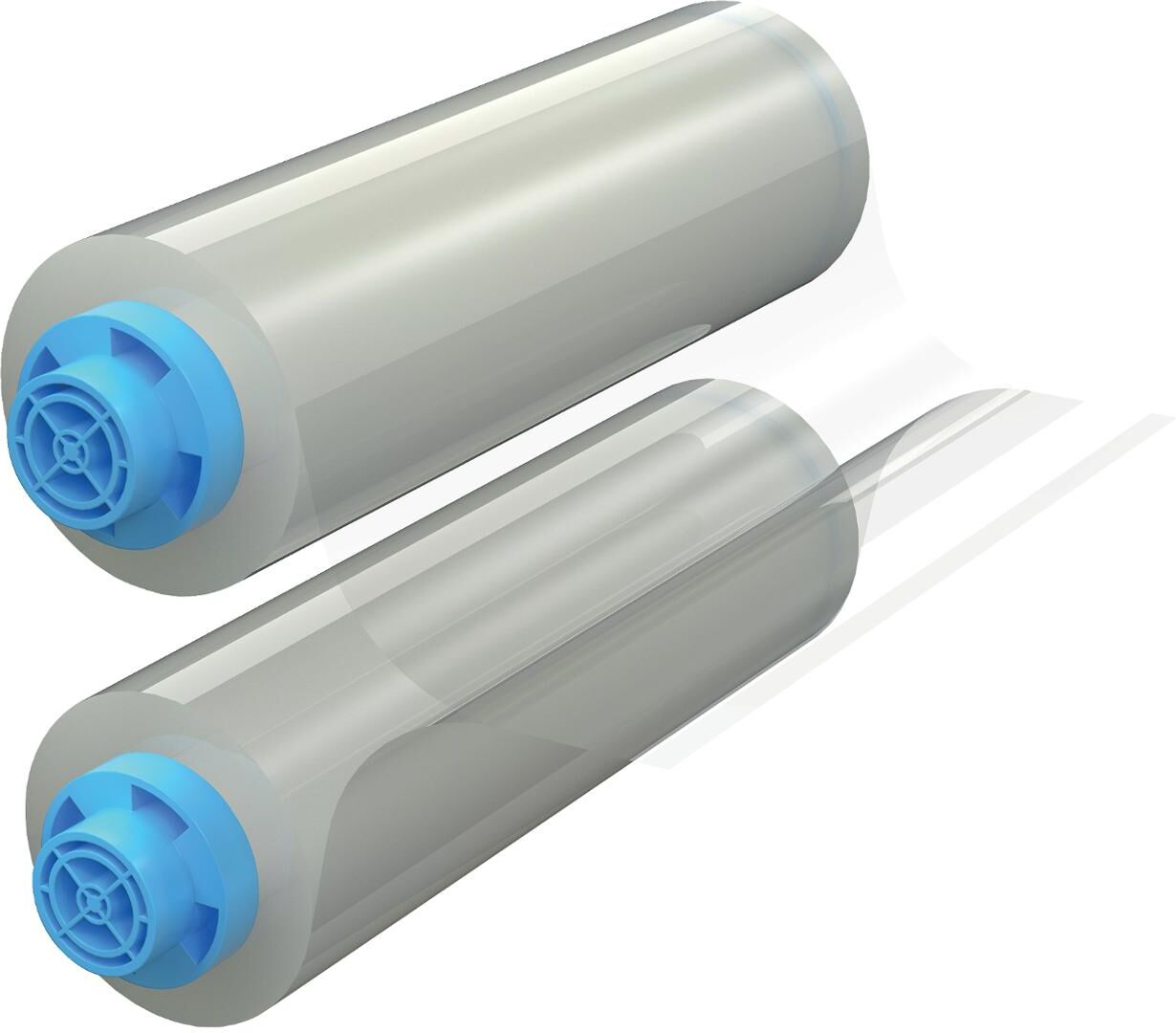
GBC Laminat Velocity KallGBC:s kallamineringsfilm ger en professionell och hållbar finish utan värme GBC:s kallamineringsfilm ger en professionell och hållbar finish utan värme, vilket gör den idealisk för värmekänsliga dokument som termopapper, bläckstråleutskrifter och fotografiska material. Den lättmatade rullfilmen ger snabb och problemfri laminering, vilket ger en klar, glansig yta som skyddar och förbättrar dina dokument för långvarig användning. Yta: Klar Storlek: A4, 42,3 m Antal: 130 x A4-ark Tillverkat av BOPP och PSA-lim (cold PSA)486,25 SEK*Shipping: 79,00 SEKSecure redirect to the provider
-
Laminat GBC Velocity KallGBC:s kallamineringsfilm ger en professionell och hållbar finish utan värmeGBC:s kallamineringsfilm ger en professionell och hållbar finish utan värme, vilket gör den idealisk för värmekänsliga dokument som termopapper, bläckstråleutskrifter och fotografiska material. Den lättmatade rullfilmen ger snabb och problemfri laminering, vilket ger en klar, glansig yta som skyddar och förbättrar dina dokument för långvarig användning.Yta: KlarStorlek: A4, 42,3 mAntal: 130 x A4-arkTillverkat av BOPP och PSA-lim (cold PSA)\n\n578,75 SEK*Shipping: 85,00 SEKSecure redirect to the provider
-
Laminat GBC Velocity 80micGBC 80 mikron (2x80) glansiga lamineringsfilmer är lätta att ladda och har en lätt och flexibel yta som är perfekt för vardagslamineringDen är idealisk för skyltar, scheman och meddelanden som hanteras ibland och ger ett effektivt skydd utan extra styvhet, vilket gör den praktisk för material som används mer sällan. Rullfilmens längd 38,2 m för laminering av upp till 120x A4-ark.Yta: KlarStorlek: A4, 38,2 mTjocklek: 2x80 micAntal: 120 x A4-arkTillverkat av PET och EVA\n\n373,75 SEK*Shipping: 85,00 SEKSecure redirect to the provider

-
What is instantaneous velocity?
Instantaneous velocity is the velocity of an object at a specific moment in time. It is the rate at which an object's position changes with respect to time at a particular instant. Unlike average velocity, which is calculated over a period of time, instantaneous velocity provides information about an object's speed and direction at a single point in time. **
-
What is drift velocity?
Drift velocity is the average velocity of charge carriers, such as electrons, in a conductor under the influence of an electric field. When an electric field is applied to a conductor, the charge carriers experience a net force that causes them to move with a certain average velocity, known as the drift velocity. This drift velocity is typically much slower than the speed of individual charge carriers due to collisions with other particles in the conductor. Drift velocity is an important concept in understanding the flow of current in electrical circuits. **
-
What is enzyme velocity?
Enzyme velocity refers to the speed at which an enzyme catalyzes a specific chemical reaction. It is a measure of how quickly the enzyme converts substrate into product. Enzyme velocity is often determined by measuring the rate of formation of the product or the rate of disappearance of the substrate over a specific period of time. This velocity is influenced by factors such as enzyme concentration, substrate concentration, and temperature. **
-
What is cosmic velocity?
Cosmic velocity refers to the speed at which an object is moving through the universe, typically in the context of celestial bodies such as stars, planets, and galaxies. It is a measure of the velocity at which an object is traveling through the vast expanse of space. Cosmic velocity can vary greatly depending on the specific object and its location within the universe. Understanding cosmic velocity is important for studying the dynamics and movement of celestial bodies in space. **

How does the initial velocity affect the final velocity of the sled?
The initial velocity of the sled directly affects its final velocity. If the sled starts with a higher initial velocity, it will generally have a higher final velocity. This is because the initial velocity contributes to the overall momentum of the sled, and as long as there are no external forces acting on the sled, this momentum will be conserved and result in a higher final velocity. Conversely, a lower initial velocity will result in a lower final velocity, all other factors being equal. **
What is the difference between instantaneous velocity and average velocity in physics?
Instantaneous velocity refers to the velocity of an object at a specific moment in time, while average velocity refers to the average velocity of an object over a certain period of time. Instantaneous velocity is calculated using the derivative of the position function with respect to time, while average velocity is calculated by dividing the total displacement of an object by the total time taken. In other words, instantaneous velocity gives the velocity of an object at a single point in time, while average velocity gives the overall velocity over a period of time. **
Top-Angebote
Products related to Velocity:
-
GBC Laminat Velocity 80micGBC 80 mikron (2x80) glansiga lamineringsfilmer är lätta att ladda och har en lätt och flexibel yta som är perfekt för vardagslaminering Den är idealisk för skyltar, scheman och meddelanden som hanteras ibland och ger ett effektivt skydd utan extra styvhet, vilket gör den praktisk för material som används mer sällan. Rullfilmens längd 38,2 m för laminering av upp till 120x A4-ark. Yta: Klar Storlek: A4, 38,2 m Tjocklek: 2x80 mic Antal: 120 x A4-ark Tillverkat av PET och EVA348,75 SEK*Shipping: 79,00 SEKSecure redirect to the provider
-
GBC Laminat Velocity KallGBC:s kallamineringsfilm ger en professionell och hållbar finish utan värme GBC:s kallamineringsfilm ger en professionell och hållbar finish utan värme, vilket gör den idealisk för värmekänsliga dokument som termopapper, bläckstråleutskrifter och fotografiska material. Den lättmatade rullfilmen ger snabb och problemfri laminering, vilket ger en klar, glansig yta som skyddar och förbättrar dina dokument för långvarig användning. Yta: Klar Storlek: A4, 42,3 m Antal: 130 x A4-ark Tillverkat av BOPP och PSA-lim (cold PSA)486,25 SEK*Shipping: 79,00 SEKSecure redirect to the provider
-
Laminat GBC Velocity KallGBC:s kallamineringsfilm ger en professionell och hållbar finish utan värmeGBC:s kallamineringsfilm ger en professionell och hållbar finish utan värme, vilket gör den idealisk för värmekänsliga dokument som termopapper, bläckstråleutskrifter och fotografiska material. Den lättmatade rullfilmen ger snabb och problemfri laminering, vilket ger en klar, glansig yta som skyddar och förbättrar dina dokument för långvarig användning.Yta: KlarStorlek: A4, 42,3 mAntal: 130 x A4-arkTillverkat av BOPP och PSA-lim (cold PSA)\n\n578,75 SEK*Shipping: 85,00 SEKSecure redirect to the provider
-
How are linear velocity, angular velocity, and frequency related?
Linear velocity, angular velocity, and frequency are all related through the equation v = ωr, where v is linear velocity, ω is angular velocity, and r is the radius of the rotating object. Angular velocity is the rate at which an object rotates around a fixed point, while linear velocity is the rate at which an object moves in a straight line. Frequency is the number of complete rotations or cycles per unit of time and is related to angular velocity by the equation f = ω/2π. Overall, these three quantities are interconnected and can be used to describe the motion of rotating objects. **
-
What is the difference between instantaneous velocity and average velocity?
Instantaneous velocity refers to the velocity of an object at a specific moment in time, while average velocity is the total displacement of an object over a given time interval divided by the total time taken. Instantaneous velocity gives us information about the object's velocity at a particular instant, while average velocity provides an overall picture of the object's velocity over a period of time. In essence, instantaneous velocity is like looking at a snapshot of an object's motion, while average velocity is like looking at the entire video. **
-
What is instantaneous velocity?
Instantaneous velocity is the velocity of an object at a specific moment in time. It is the rate at which an object's position changes with respect to time at a particular instant. Unlike average velocity, which is calculated over a period of time, instantaneous velocity provides information about an object's speed and direction at a single point in time. **
-
What is drift velocity?
Drift velocity is the average velocity of charge carriers, such as electrons, in a conductor under the influence of an electric field. When an electric field is applied to a conductor, the charge carriers experience a net force that causes them to move with a certain average velocity, known as the drift velocity. This drift velocity is typically much slower than the speed of individual charge carriers due to collisions with other particles in the conductor. Drift velocity is an important concept in understanding the flow of current in electrical circuits. **
Similar search terms for Velocity
-
Laminat GBC Velocity 80micGBC 80 mikron (2x80) glansiga lamineringsfilmer är lätta att ladda och har en lätt och flexibel yta som är perfekt för vardagslamineringDen är idealisk för skyltar, scheman och meddelanden som hanteras ibland och ger ett effektivt skydd utan extra styvhet, vilket gör den praktisk för material som används mer sällan. Rullfilmens längd 38,2 m för laminering av upp till 120x A4-ark.Yta: KlarStorlek: A4, 38,2 mTjocklek: 2x80 micAntal: 120 x A4-arkTillverkat av PET och EVA\n\n373,75 SEK*Shipping: 85,00 SEKSecure redirect to the provider
-
What is enzyme velocity?
Enzyme velocity refers to the speed at which an enzyme catalyzes a specific chemical reaction. It is a measure of how quickly the enzyme converts substrate into product. Enzyme velocity is often determined by measuring the rate of formation of the product or the rate of disappearance of the substrate over a specific period of time. This velocity is influenced by factors such as enzyme concentration, substrate concentration, and temperature. **
-
What is cosmic velocity?
Cosmic velocity refers to the speed at which an object is moving through the universe, typically in the context of celestial bodies such as stars, planets, and galaxies. It is a measure of the velocity at which an object is traveling through the vast expanse of space. Cosmic velocity can vary greatly depending on the specific object and its location within the universe. Understanding cosmic velocity is important for studying the dynamics and movement of celestial bodies in space. **
-
How does the initial velocity affect the final velocity of the sled?
The initial velocity of the sled directly affects its final velocity. If the sled starts with a higher initial velocity, it will generally have a higher final velocity. This is because the initial velocity contributes to the overall momentum of the sled, and as long as there are no external forces acting on the sled, this momentum will be conserved and result in a higher final velocity. Conversely, a lower initial velocity will result in a lower final velocity, all other factors being equal. **
-
What is the difference between instantaneous velocity and average velocity in physics?
Instantaneous velocity refers to the velocity of an object at a specific moment in time, while average velocity refers to the average velocity of an object over a certain period of time. Instantaneous velocity is calculated using the derivative of the position function with respect to time, while average velocity is calculated by dividing the total displacement of an object by the total time taken. In other words, instantaneous velocity gives the velocity of an object at a single point in time, while average velocity gives the overall velocity over a period of time. **
* All prices are inclusive of VAT and, if applicable, plus shipping costs. The offer information is based on the details provided by the respective shop and is updated through automated processes. Real-time updates do not occur, so deviations can occur in individual cases. ** Note: Parts of this content were created by AI.