Buy foofl.com ?
We are moving the project
foofl.com .
Are you interested in purchasing the domain
foofl.com ?
domain@kv-gmbh.de · 0541-91531010
Buy foofl.com ?
What distinguishes all types of bonding: ionic bonding, metallic bonding, and covalent bonding?
Ionic bonding involves the transfer of electrons from one atom to another, resulting in the formation of positively and negatively charged ions that are attracted to each other. Metallic bonding involves the sharing of electrons among a sea of delocalized electrons, creating a "sea of electrons" that holds the metal atoms together. Covalent bonding involves the sharing of electrons between atoms, resulting in the formation of molecules. Despite their differences, all types of bonding involve the interaction of electrons between atoms to form stable chemical compounds. **
What distinguishes all types of chemical bonding: ionic bonding, metallic bonding, and covalent bonding?
The main distinction among the three types of chemical bonding lies in the way atoms are held together. In ionic bonding, atoms transfer electrons to achieve a stable electron configuration. Metallic bonding involves a sea of delocalized electrons shared among a lattice of metal atoms. Covalent bonding, on the other hand, involves the sharing of electrons between atoms to achieve a stable electron configuration. Each type of bonding results in different properties and behaviors of the substances formed. **


Similar search terms for Bonding
Top-Angebote
Products related to Bonding:
-
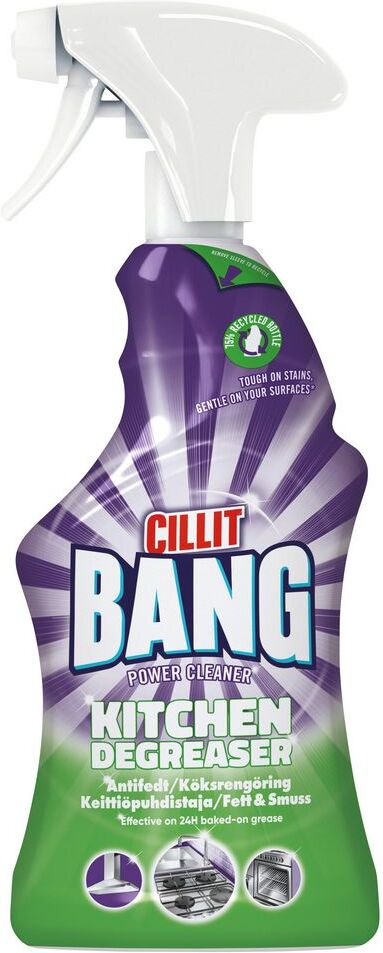
CILIT BANG Allrengöring Kitchen Degreaser 750mlKöksrengöring som är perfekt för att ta bort matfläckar, fett med mera. Kitchen Degreaser från Cillit Bang tar effektivt bort kökssmuts som annars kan vara svår att få bort. Den effektiva rengöringssprayen innehåller effektiva och ytaktiva ämnen, som gör formulan 100% avfettande, så att du enkelt kan rengöra utan att skrubba. Sprayen tar snabbt och effektivt bort matfläckar, brända matrester, smuts och även det svåraste fettet från de vanligaste ytorna i köket och skapar en bra grund för ett rent och hälsosamt kök. Flaska av 75% återvunnen plast. Effektiv borttagning av smuts pH-värde: 10,4-11,4 Lukt: Parfymerad Utseende: Vit/gulaktig vätska65,00 SEK*Shipping: 79,00 SEKSecure redirect to the provider
-
AJAX Allrengöring Kitchen & Grease Spray 750mlEn fettlösande spray för enastående resultat varje dag. För effektiv fettlösande rengöring i köksutrymmen. Ajax köksspray tar bort svåra fläckar och ingrodd smuts, produkten är miljömärkt. Tar effektivt bort olja, kladdiga matrester, ingrodd smuts och t.o.m. fastbränt fett. pH-värde: 10,6-11,4 Utseende: färglös vätska EU Ecolabel licensnummer: DK/20/01368,75 SEK*Shipping: 79,00 SEKSecure redirect to the provider



-
What are examples of ionic bonding, covalent bonding, and metallic bonding?
Ionic bonding occurs when one atom transfers electrons to another, resulting in the formation of positively and negatively charged ions that are attracted to each other. An example of ionic bonding is the bond between sodium and chlorine in sodium chloride (table salt). Covalent bonding occurs when atoms share electrons to achieve a full outer shell. An example of covalent bonding is the bond between two hydrogen atoms in a molecule of hydrogen gas (H2). Metallic bonding occurs in metals, where the outer electrons of the atoms are delocalized and free to move throughout the structure, creating a "sea" of electrons that hold the metal atoms together. An example of metallic bonding is the bond between atoms in a piece of copper metal. **
-
What is the difference between ionic bonding, covalent bonding, and metallic bonding?
Ionic bonding involves the transfer of electrons from one atom to another, resulting in the formation of positively and negatively charged ions that are held together by electrostatic forces. Covalent bonding involves the sharing of electrons between atoms to achieve a stable electron configuration. Metallic bonding occurs in metals, where electrons are delocalized and free to move throughout the material, creating a "sea of electrons" that hold the metal atoms together. Each type of bonding results in different properties and behaviors of the substances involved. **
-
Who is familiar with chemistry in ionic bonding, metallic bonding, and molecular bonding?
Individuals who have studied chemistry at a high school or college level are likely to be familiar with ionic bonding, metallic bonding, and molecular bonding. This includes students, teachers, and professionals in the fields of chemistry, chemical engineering, and materials science. Additionally, those who have a general interest in science and have taken courses or done independent study in chemistry may also have knowledge of these types of chemical bonding. **
-
What is the difference between covalent bonding and ionic bonding?
Covalent bonding involves the sharing of electrons between atoms to achieve a stable electron configuration, typically between nonmetals. Ionic bonding involves the transfer of electrons from one atom to another, resulting in the formation of positively and negatively charged ions that are attracted to each other, typically between a metal and a nonmetal. In covalent bonding, the atoms involved have similar electronegativities, while in ionic bonding, there is a significant difference in electronegativities between the atoms. **
What are the similarities between ionic bonding and covalent bonding?
Both ionic bonding and covalent bonding involve the sharing or transfer of electrons between atoms to achieve a stable electron configuration. In both types of bonding, the goal is for each atom to achieve a full outer electron shell. Additionally, both types of bonding result in the formation of a compound with a neutral charge. However, the key difference between the two is that ionic bonding involves the transfer of electrons from one atom to another, while covalent bonding involves the sharing of electrons between atoms. **
Is ionic bonding a polar or nonpolar atomic bonding in chemistry?
Ionic bonding is a type of polar atomic bonding in chemistry. This is because in an ionic bond, one atom donates an electron to another atom, resulting in the formation of positively and negatively charged ions. These opposite charges create a polar bond, with one end being more positive and the other end being more negative. This creates a strong electrostatic attraction between the ions, leading to the formation of the ionic bond. **
Top-Angebote
Products related to Bonding:
-
Pam Cooking Spray 482 GPam cooking spray är en praktisk sprayolja med rapsolja, kokosolja, palmolja och sojalecitin. Den är lätt att fördela i stekpanna, gryta eller form och finns i smakerna original och butter. Skaka väl före användning och spraya i ett tunt lager innan upphettning.188,00 SEK*Shipping: 49,00 SEKSecure redirect to the provider
-
What distinguishes all types of bonding: ionic bonding, metallic bonding, and covalent bonding?
Ionic bonding involves the transfer of electrons from one atom to another, resulting in the formation of positively and negatively charged ions that are attracted to each other. Metallic bonding involves the sharing of electrons among a sea of delocalized electrons, creating a "sea of electrons" that holds the metal atoms together. Covalent bonding involves the sharing of electrons between atoms, resulting in the formation of molecules. Despite their differences, all types of bonding involve the interaction of electrons between atoms to form stable chemical compounds. **
-
What distinguishes all types of chemical bonding: ionic bonding, metallic bonding, and covalent bonding?
The main distinction among the three types of chemical bonding lies in the way atoms are held together. In ionic bonding, atoms transfer electrons to achieve a stable electron configuration. Metallic bonding involves a sea of delocalized electrons shared among a lattice of metal atoms. Covalent bonding, on the other hand, involves the sharing of electrons between atoms to achieve a stable electron configuration. Each type of bonding results in different properties and behaviors of the substances formed. **
-
What are examples of ionic bonding, covalent bonding, and metallic bonding?
Ionic bonding occurs when one atom transfers electrons to another, resulting in the formation of positively and negatively charged ions that are attracted to each other. An example of ionic bonding is the bond between sodium and chlorine in sodium chloride (table salt). Covalent bonding occurs when atoms share electrons to achieve a full outer shell. An example of covalent bonding is the bond between two hydrogen atoms in a molecule of hydrogen gas (H2). Metallic bonding occurs in metals, where the outer electrons of the atoms are delocalized and free to move throughout the structure, creating a "sea" of electrons that hold the metal atoms together. An example of metallic bonding is the bond between atoms in a piece of copper metal. **
-
What is the difference between ionic bonding, covalent bonding, and metallic bonding?
Ionic bonding involves the transfer of electrons from one atom to another, resulting in the formation of positively and negatively charged ions that are held together by electrostatic forces. Covalent bonding involves the sharing of electrons between atoms to achieve a stable electron configuration. Metallic bonding occurs in metals, where electrons are delocalized and free to move throughout the material, creating a "sea of electrons" that hold the metal atoms together. Each type of bonding results in different properties and behaviors of the substances involved. **
Similar search terms for Bonding
-
CILIT BANG Allrengöring Kitchen Degreaser 750mlKöksrengöring som är perfekt för att ta bort matfläckar, fett med mera. Kitchen Degreaser från Cillit Bang tar effektivt bort kökssmuts som annars kan vara svår att få bort. Den effektiva rengöringssprayen innehåller effektiva och ytaktiva ämnen, som gör formulan 100% avfettande, så att du enkelt kan rengöra utan att skrubba. Sprayen tar snabbt och effektivt bort matfläckar, brända matrester, smuts och även det svåraste fettet från de vanligaste ytorna i köket och skapar en bra grund för ett rent och hälsosamt kök. Flaska av 75% återvunnen plast. Effektiv borttagning av smuts pH-värde: 10,4-11,4 Lukt: Parfymerad Utseende: Vit/gulaktig vätska65,00 SEK*Shipping: 79,00 SEKSecure redirect to the provider
-
AJAX Allrengöring Kitchen & Grease Spray 750mlEn fettlösande spray för enastående resultat varje dag. För effektiv fettlösande rengöring i köksutrymmen. Ajax köksspray tar bort svåra fläckar och ingrodd smuts, produkten är miljömärkt. Tar effektivt bort olja, kladdiga matrester, ingrodd smuts och t.o.m. fastbränt fett. pH-värde: 10,6-11,4 Utseende: färglös vätska EU Ecolabel licensnummer: DK/20/01368,75 SEK*Shipping: 79,00 SEKSecure redirect to the provider
-
Allrent CILLITBANG Kitchen Degreas 750ml 6stKöksrengöring som är perfekt för att ta bort matfläckar, fett med mera.Kitchen Degreaser från Cillit Bang tar effektivt bort kökssmuts som annars kan vara svår att få bort. Den effektiva rengöringssprayen innehåller effektiva och ytaktiva ämnen, som gör formulan 100% avfettande, så att du enkelt kan rengöra utan att skrubba.Sprayen tar snabbt och effektivt bort matfläckar, brända matrester, smuts och även det svåraste fettet från de vanligaste ytorna i köket och skapar en bra grund för ett rent och hälsosamt kök.Flaska av 75% återvunnen plast.Effektiv borttagning av smutspH-värde: 10,4-11,4Lukt: ParfymeradUtseende: Vit/gulaktig vätska\n\n442,50 SEK*Shipping: 85,00 SEKSecure redirect to the provider
-
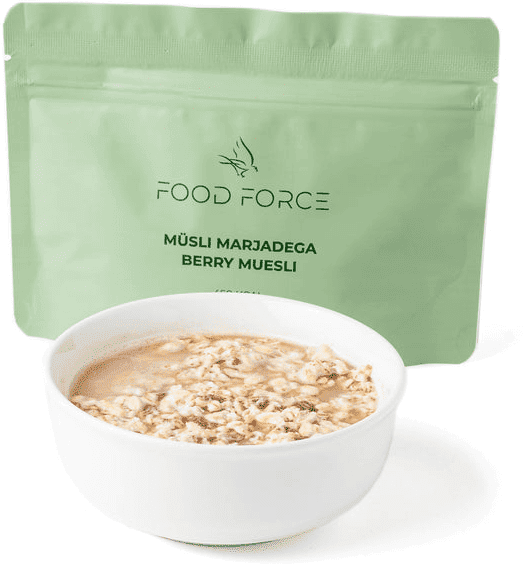
Food Force Bärmüsli 100gFood Force Müsli med bär 100 g. Frystorkad mat - För den aktiva som älskar utelivet. Tillagning - Öppna påsen och vik ut kanterna från botten av påsen. Häll cirka 250ml vatten (rumstempererat eller kallt) i påsen och rör om väl. Ät och njut.59,00 SEK*Shipping: 59,00 SEKSecure redirect to the provider
-
Who is familiar with chemistry in ionic bonding, metallic bonding, and molecular bonding?
Individuals who have studied chemistry at a high school or college level are likely to be familiar with ionic bonding, metallic bonding, and molecular bonding. This includes students, teachers, and professionals in the fields of chemistry, chemical engineering, and materials science. Additionally, those who have a general interest in science and have taken courses or done independent study in chemistry may also have knowledge of these types of chemical bonding. **
-
What is the difference between covalent bonding and ionic bonding?
Covalent bonding involves the sharing of electrons between atoms to achieve a stable electron configuration, typically between nonmetals. Ionic bonding involves the transfer of electrons from one atom to another, resulting in the formation of positively and negatively charged ions that are attracted to each other, typically between a metal and a nonmetal. In covalent bonding, the atoms involved have similar electronegativities, while in ionic bonding, there is a significant difference in electronegativities between the atoms. **
-
What are the similarities between ionic bonding and covalent bonding?
Both ionic bonding and covalent bonding involve the sharing or transfer of electrons between atoms to achieve a stable electron configuration. In both types of bonding, the goal is for each atom to achieve a full outer electron shell. Additionally, both types of bonding result in the formation of a compound with a neutral charge. However, the key difference between the two is that ionic bonding involves the transfer of electrons from one atom to another, while covalent bonding involves the sharing of electrons between atoms. **
-
Is ionic bonding a polar or nonpolar atomic bonding in chemistry?
Ionic bonding is a type of polar atomic bonding in chemistry. This is because in an ionic bond, one atom donates an electron to another atom, resulting in the formation of positively and negatively charged ions. These opposite charges create a polar bond, with one end being more positive and the other end being more negative. This creates a strong electrostatic attraction between the ions, leading to the formation of the ionic bond. **
* All prices are inclusive of VAT and, if applicable, plus shipping costs. The offer information is based on the details provided by the respective shop and is updated through automated processes. Real-time updates do not occur, so deviations can occur in individual cases. ** Note: Parts of this content were created by AI.