Buy foofl.com ?
We are moving the project
foofl.com .
Are you interested in purchasing the domain
foofl.com ?
domain@kv-gmbh.de · 0541-91531010
Buy foofl.com ?
Are free radicals cations?
No, free radicals are not cations. Free radicals are neutral species that have unpaired electrons, making them highly reactive. Cations, on the other hand, are positively charged ions that have lost one or more electrons. While both free radicals and cations are reactive, they differ in their charge and electronic configuration. **
What are cations and anions?
Cations are positively charged ions that are formed when an atom loses one or more electrons. This loss of electrons creates a net positive charge on the ion. Anions, on the other hand, are negatively charged ions that are formed when an atom gains one or more electrons, resulting in a net negative charge on the ion. Cations and anions are essential in forming ionic compounds and play a crucial role in chemical reactions and the behavior of substances in solution. **


Similar search terms for Cations
Top-Angebote
Products related to Cations:
-
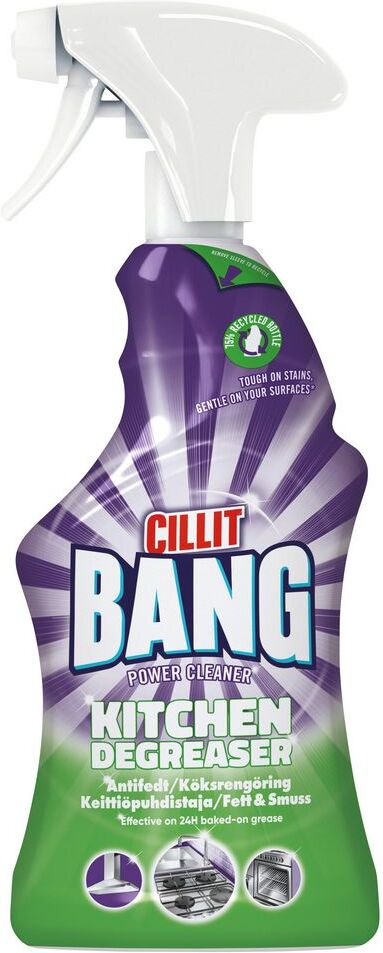
CILIT BANG Allrengöring Kitchen Degreaser 750mlKöksrengöring som är perfekt för att ta bort matfläckar, fett med mera. Kitchen Degreaser från Cillit Bang tar effektivt bort kökssmuts som annars kan vara svår att få bort. Den effektiva rengöringssprayen innehåller effektiva och ytaktiva ämnen, som gör formulan 100% avfettande, så att du enkelt kan rengöra utan att skrubba. Sprayen tar snabbt och effektivt bort matfläckar, brända matrester, smuts och även det svåraste fettet från de vanligaste ytorna i köket och skapar en bra grund för ett rent och hälsosamt kök. Flaska av 75% återvunnen plast. Effektiv borttagning av smuts pH-värde: 10,4-11,4 Lukt: Parfymerad Utseende: Vit/gulaktig vätska65,00 SEK*Shipping: 79,00 SEKSecure redirect to the provider
-
Allrent CILLITBANG Kitchen Degreas 750ml 6stKöksrengöring som är perfekt för att ta bort matfläckar, fett med mera.Kitchen Degreaser från Cillit Bang tar effektivt bort kökssmuts som annars kan vara svår att få bort. Den effektiva rengöringssprayen innehåller effektiva och ytaktiva ämnen, som gör formulan 100% avfettande, så att du enkelt kan rengöra utan att skrubba.Sprayen tar snabbt och effektivt bort matfläckar, brända matrester, smuts och även det svåraste fettet från de vanligaste ytorna i köket och skapar en bra grund för ett rent och hälsosamt kök.Flaska av 75% återvunnen plast.Effektiv borttagning av smutspH-värde: 10,4-11,4Lukt: ParfymeradUtseende: Vit/gulaktig vätska\n\n442,50 SEK*Shipping: 85,00 SEKSecure redirect to the provider


-
What are atomic nuclei and cations?
Atomic nuclei are the central part of an atom, containing protons and neutrons. The number of protons in the nucleus determines the element's identity, while the number of neutrons can vary, creating different isotopes of the same element. Cations are positively charged ions that are formed when an atom loses one or more electrons. This loss of electrons creates an imbalance between the number of protons and electrons, resulting in a net positive charge. **
-
Are noble gases cations or anions?
Noble gases are neither cations nor anions. They are a group of elements that are known for their stability and lack of reactivity due to their full outer electron shells. This means that they do not readily gain or lose electrons to form ions, and therefore do not typically exist as cations or anions in chemical reactions. **
-
What are cations and anions in chemistry?
In chemistry, cations are positively charged ions that are formed when an atom loses one or more electrons. This results in an overall positive charge due to the excess of protons in the nucleus. Anions, on the other hand, are negatively charged ions that are formed when an atom gains one or more electrons. This results in an overall negative charge due to the excess of electrons in the outer shell. Cations and anions are essential in forming ionic compounds and play a crucial role in chemical reactions. **
-
What is the difference between cations and anions?
Cations are positively charged ions that are formed when an atom loses electrons, while anions are negatively charged ions that are formed when an atom gains electrons. Cations are typically formed by metals, which tend to lose electrons to achieve a stable electron configuration, while anions are typically formed by nonmetals, which tend to gain electrons to achieve a stable electron configuration. The overall charge of a cation is positive, while the overall charge of an anion is negative. **

What is the redox behavior of these cations?
The redox behavior of these cations varies depending on the specific cation. Generally, transition metal cations such as Fe(II) and Cu(II) can undergo redox reactions, meaning they can both gain and lose electrons. For example, Fe(II) can be oxidized to Fe(III) by losing an electron, while Cu(II) can be reduced to Cu(I) by gaining an electron. On the other hand, alkali metal cations like Na(I) and K(I) typically do not undergo redox reactions as they only have one electron in their outer shell, making it difficult for them to lose or gain electrons. **
What is the difference between protons and cations?
Protons are subatomic particles found in the nucleus of an atom, carrying a positive charge. Cations, on the other hand, are positively charged ions that are formed when an atom loses one or more electrons. In other words, protons are a fundamental part of an atom, while cations are formed from atoms by gaining or losing electrons. Therefore, all cations have a positive charge due to the loss of electrons, while protons are always positively charged. **
Top-Angebote
Products related to Cations:
-
Pam Cooking Spray 482 GPam cooking spray är en praktisk sprayolja med rapsolja, kokosolja, palmolja och sojalecitin. Den är lätt att fördela i stekpanna, gryta eller form och finns i smakerna original och butter. Skaka väl före användning och spraya i ett tunt lager innan upphettning.188,00 SEK*Shipping: 49,00 SEKSecure redirect to the provider
-
Are free radicals cations?
No, free radicals are not cations. Free radicals are neutral species that have unpaired electrons, making them highly reactive. Cations, on the other hand, are positively charged ions that have lost one or more electrons. While both free radicals and cations are reactive, they differ in their charge and electronic configuration. **
-
What are cations and anions?
Cations are positively charged ions that are formed when an atom loses one or more electrons. This loss of electrons creates a net positive charge on the ion. Anions, on the other hand, are negatively charged ions that are formed when an atom gains one or more electrons, resulting in a net negative charge on the ion. Cations and anions are essential in forming ionic compounds and play a crucial role in chemical reactions and the behavior of substances in solution. **
-
What are atomic nuclei and cations?
Atomic nuclei are the central part of an atom, containing protons and neutrons. The number of protons in the nucleus determines the element's identity, while the number of neutrons can vary, creating different isotopes of the same element. Cations are positively charged ions that are formed when an atom loses one or more electrons. This loss of electrons creates an imbalance between the number of protons and electrons, resulting in a net positive charge. **
-
Are noble gases cations or anions?
Noble gases are neither cations nor anions. They are a group of elements that are known for their stability and lack of reactivity due to their full outer electron shells. This means that they do not readily gain or lose electrons to form ions, and therefore do not typically exist as cations or anions in chemical reactions. **
Similar search terms for Cations
-
CILIT BANG Allrengöring Kitchen Degreaser 750mlKöksrengöring som är perfekt för att ta bort matfläckar, fett med mera. Kitchen Degreaser från Cillit Bang tar effektivt bort kökssmuts som annars kan vara svår att få bort. Den effektiva rengöringssprayen innehåller effektiva och ytaktiva ämnen, som gör formulan 100% avfettande, så att du enkelt kan rengöra utan att skrubba. Sprayen tar snabbt och effektivt bort matfläckar, brända matrester, smuts och även det svåraste fettet från de vanligaste ytorna i köket och skapar en bra grund för ett rent och hälsosamt kök. Flaska av 75% återvunnen plast. Effektiv borttagning av smuts pH-värde: 10,4-11,4 Lukt: Parfymerad Utseende: Vit/gulaktig vätska65,00 SEK*Shipping: 79,00 SEKSecure redirect to the provider
-
Allrent CILLITBANG Kitchen Degreas 750ml 6stKöksrengöring som är perfekt för att ta bort matfläckar, fett med mera.Kitchen Degreaser från Cillit Bang tar effektivt bort kökssmuts som annars kan vara svår att få bort. Den effektiva rengöringssprayen innehåller effektiva och ytaktiva ämnen, som gör formulan 100% avfettande, så att du enkelt kan rengöra utan att skrubba.Sprayen tar snabbt och effektivt bort matfläckar, brända matrester, smuts och även det svåraste fettet från de vanligaste ytorna i köket och skapar en bra grund för ett rent och hälsosamt kök.Flaska av 75% återvunnen plast.Effektiv borttagning av smutspH-värde: 10,4-11,4Lukt: ParfymeradUtseende: Vit/gulaktig vätska\n\n442,50 SEK*Shipping: 85,00 SEKSecure redirect to the provider
-
AJAX Allrengöring Kitchen & Grease Spray 750mlEn fettlösande spray för enastående resultat varje dag. För effektiv fettlösande rengöring i köksutrymmen. Ajax köksspray tar bort svåra fläckar och ingrodd smuts, produkten är miljömärkt. Tar effektivt bort olja, kladdiga matrester, ingrodd smuts och t.o.m. fastbränt fett. pH-värde: 10,6-11,4 Utseende: färglös vätska EU Ecolabel licensnummer: DK/20/01368,75 SEK*Shipping: 79,00 SEKSecure redirect to the provider
-
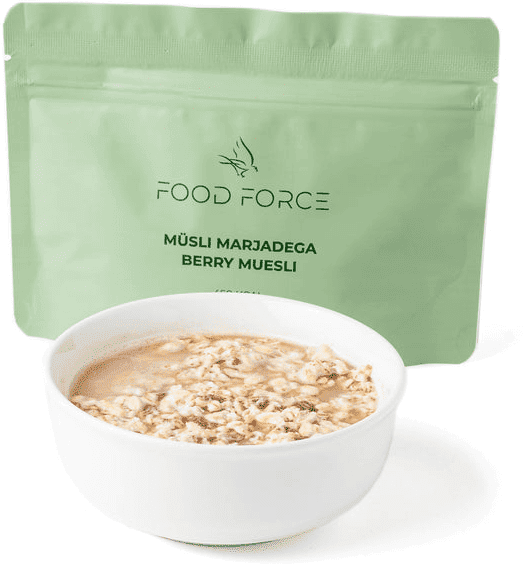
Food Force Bärmüsli 100gFood Force Müsli med bär 100 g. Frystorkad mat - För den aktiva som älskar utelivet. Tillagning - Öppna påsen och vik ut kanterna från botten av påsen. Häll cirka 250ml vatten (rumstempererat eller kallt) i påsen och rör om väl. Ät och njut.59,00 SEK*Shipping: 59,00 SEKSecure redirect to the provider
-
What are cations and anions in chemistry?
In chemistry, cations are positively charged ions that are formed when an atom loses one or more electrons. This results in an overall positive charge due to the excess of protons in the nucleus. Anions, on the other hand, are negatively charged ions that are formed when an atom gains one or more electrons. This results in an overall negative charge due to the excess of electrons in the outer shell. Cations and anions are essential in forming ionic compounds and play a crucial role in chemical reactions. **
-
What is the difference between cations and anions?
Cations are positively charged ions that are formed when an atom loses electrons, while anions are negatively charged ions that are formed when an atom gains electrons. Cations are typically formed by metals, which tend to lose electrons to achieve a stable electron configuration, while anions are typically formed by nonmetals, which tend to gain electrons to achieve a stable electron configuration. The overall charge of a cation is positive, while the overall charge of an anion is negative. **
-
What is the redox behavior of these cations?
The redox behavior of these cations varies depending on the specific cation. Generally, transition metal cations such as Fe(II) and Cu(II) can undergo redox reactions, meaning they can both gain and lose electrons. For example, Fe(II) can be oxidized to Fe(III) by losing an electron, while Cu(II) can be reduced to Cu(I) by gaining an electron. On the other hand, alkali metal cations like Na(I) and K(I) typically do not undergo redox reactions as they only have one electron in their outer shell, making it difficult for them to lose or gain electrons. **
-
What is the difference between protons and cations?
Protons are subatomic particles found in the nucleus of an atom, carrying a positive charge. Cations, on the other hand, are positively charged ions that are formed when an atom loses one or more electrons. In other words, protons are a fundamental part of an atom, while cations are formed from atoms by gaining or losing electrons. Therefore, all cations have a positive charge due to the loss of electrons, while protons are always positively charged. **
* All prices are inclusive of VAT and, if applicable, plus shipping costs. The offer information is based on the details provided by the respective shop and is updated through automated processes. Real-time updates do not occur, so deviations can occur in individual cases. ** Note: Parts of this content were created by AI.