Buy foofl.com ?
We are moving the project
foofl.com .
Are you interested in purchasing the domain
foofl.com ?
domain@kv-gmbh.de · 0541-91531010
Buy foofl.com ?
How do you transform an object clause or a subject clause into a dependent clause (subordinate clause)?
To transform an object clause or a subject clause into a dependent clause, you can add a subordinating conjunction at the beginning of the clause. For example, changing "I know that he is coming" (object clause) to "I know when he is coming" (dependent clause). Another way is to remove the subject or object pronoun and change the verb form to make it dependent on the main clause. For instance, changing "She believes she can win" (subject clause) to "She believes she can win" (dependent clause). **
Is an infinitive clause a subordinate clause?
Yes, an infinitive clause is a type of subordinate clause. It functions as a single unit within a sentence and is dependent on the main clause for its meaning. Infinitive clauses typically begin with the word "to" followed by a verb, and they can serve various purposes such as expressing purpose, result, or obligation. **


Similar search terms for Clause
Top-Angebote
Products related to Clause:
-
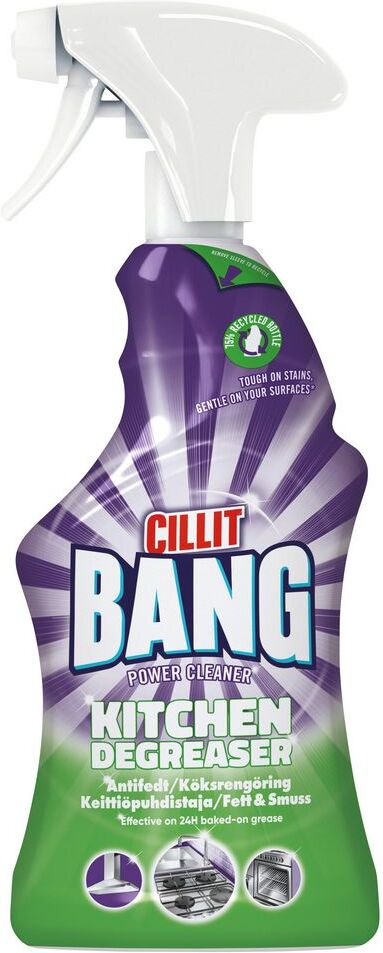
CILIT BANG Allrengöring Kitchen Degreaser 750mlKöksrengöring som är perfekt för att ta bort matfläckar, fett med mera. Kitchen Degreaser från Cillit Bang tar effektivt bort kökssmuts som annars kan vara svår att få bort. Den effektiva rengöringssprayen innehåller effektiva och ytaktiva ämnen, som gör formulan 100% avfettande, så att du enkelt kan rengöra utan att skrubba. Sprayen tar snabbt och effektivt bort matfläckar, brända matrester, smuts och även det svåraste fettet från de vanligaste ytorna i köket och skapar en bra grund för ett rent och hälsosamt kök. Flaska av 75% återvunnen plast. Effektiv borttagning av smuts pH-värde: 10,4-11,4 Lukt: Parfymerad Utseende: Vit/gulaktig vätska65,00 SEK*Shipping: 79,00 SEKSecure redirect to the provider
-
Allrent CILLITBANG Kitchen Degreas 750ml 6stKöksrengöring som är perfekt för att ta bort matfläckar, fett med mera.Kitchen Degreaser från Cillit Bang tar effektivt bort kökssmuts som annars kan vara svår att få bort. Den effektiva rengöringssprayen innehåller effektiva och ytaktiva ämnen, som gör formulan 100% avfettande, så att du enkelt kan rengöra utan att skrubba.Sprayen tar snabbt och effektivt bort matfläckar, brända matrester, smuts och även det svåraste fettet från de vanligaste ytorna i köket och skapar en bra grund för ett rent och hälsosamt kök.Flaska av 75% återvunnen plast.Effektiv borttagning av smutspH-värde: 10,4-11,4Lukt: ParfymeradUtseende: Vit/gulaktig vätska\n\n442,50 SEK*Shipping: 85,00 SEKSecure redirect to the provider


-
What are main clause-subordinate clause constructions?
Main clause-subordinate clause constructions are sentences that consist of a main clause and one or more subordinate clauses. The main clause is a complete sentence that can stand alone, while the subordinate clause depends on the main clause for its meaning and cannot stand alone. Subordinate clauses often begin with subordinating conjunctions such as "because," "although," "if," or "when," and they provide additional information or context to the main clause. These constructions allow for more complex and nuanced sentence structures, and they are commonly used in both spoken and written language. **
-
Can an adverbial clause also be a subject clause or an object clause?
No, an adverbial clause cannot be a subject clause or an object clause. An adverbial clause functions as an adverb to modify a verb, adjective, or adverb in a sentence. Subject clauses and object clauses, on the other hand, serve as the subject or object of the main clause, respectively. Each type of clause has a specific grammatical function within a sentence. **
-
Is the main clause and subordinate clause correct?
To determine if the main clause and subordinate clause are correct, you need to ensure that they are grammatically sound and that they make sense when combined. The main clause should be able to stand alone as a complete sentence, while the subordinate clause provides additional information but cannot stand alone. Checking for subject-verb agreement and proper punctuation between the two clauses can help confirm their correctness. **
-
How do I recognize a relative clause, a conjunctional clause, and an interrogative clause?
A relative clause typically starts with a relative pronoun (such as who, whom, whose, which, or that) and provides more information about a noun in the main clause. A conjunctional clause, on the other hand, is introduced by a conjunction (such as and, but, or because) and connects two independent clauses. An interrogative clause is a type of clause that asks a question and is typically introduced by an interrogative pronoun (such as who, what, when, where, why, or how) or an interrogative adverb (such as how, when, or where). **

How can I recognize a relative clause, a conjunctional clause, and an interrogative clause?
A relative clause is a type of dependent clause that typically starts with a relative pronoun (such as who, whom, whose, which, or that) and provides additional information about a noun in the main clause. A conjunctional clause, on the other hand, is a dependent clause that functions as an adverb, adjective, or noun in a sentence and is connected to the main clause by a conjunction (such as because, although, if, when, etc.). An interrogative clause is a type of clause that asks a question and typically begins with a question word (such as who, what, where, when, why, or how) or with a helping verb followed by the subject. **
Is the accompanying clause in direct speech a main clause or a subordinate clause?
The accompanying clause in direct speech can be either a main clause or a subordinate clause, depending on its role in the sentence. If the clause is expressing a complete thought and can stand alone as a sentence, then it is a main clause. However, if the clause is dependent on the rest of the sentence for its meaning and cannot stand alone, then it is a subordinate clause. It's important to consider the context and structure of the sentence to determine the role of the accompanying clause in direct speech. **
Top-Angebote
Products related to Clause:
-
Pam Cooking Spray 482 GPam cooking spray är en praktisk sprayolja med rapsolja, kokosolja, palmolja och sojalecitin. Den är lätt att fördela i stekpanna, gryta eller form och finns i smakerna original och butter. Skaka väl före användning och spraya i ett tunt lager innan upphettning.188,00 SEK*Shipping: 49,00 SEKSecure redirect to the provider
-
How do you transform an object clause or a subject clause into a dependent clause (subordinate clause)?
To transform an object clause or a subject clause into a dependent clause, you can add a subordinating conjunction at the beginning of the clause. For example, changing "I know that he is coming" (object clause) to "I know when he is coming" (dependent clause). Another way is to remove the subject or object pronoun and change the verb form to make it dependent on the main clause. For instance, changing "She believes she can win" (subject clause) to "She believes she can win" (dependent clause). **
-
Is an infinitive clause a subordinate clause?
Yes, an infinitive clause is a type of subordinate clause. It functions as a single unit within a sentence and is dependent on the main clause for its meaning. Infinitive clauses typically begin with the word "to" followed by a verb, and they can serve various purposes such as expressing purpose, result, or obligation. **
-
What are main clause-subordinate clause constructions?
Main clause-subordinate clause constructions are sentences that consist of a main clause and one or more subordinate clauses. The main clause is a complete sentence that can stand alone, while the subordinate clause depends on the main clause for its meaning and cannot stand alone. Subordinate clauses often begin with subordinating conjunctions such as "because," "although," "if," or "when," and they provide additional information or context to the main clause. These constructions allow for more complex and nuanced sentence structures, and they are commonly used in both spoken and written language. **
-
Can an adverbial clause also be a subject clause or an object clause?
No, an adverbial clause cannot be a subject clause or an object clause. An adverbial clause functions as an adverb to modify a verb, adjective, or adverb in a sentence. Subject clauses and object clauses, on the other hand, serve as the subject or object of the main clause, respectively. Each type of clause has a specific grammatical function within a sentence. **
Similar search terms for Clause
-
CILIT BANG Allrengöring Kitchen Degreaser 750mlKöksrengöring som är perfekt för att ta bort matfläckar, fett med mera. Kitchen Degreaser från Cillit Bang tar effektivt bort kökssmuts som annars kan vara svår att få bort. Den effektiva rengöringssprayen innehåller effektiva och ytaktiva ämnen, som gör formulan 100% avfettande, så att du enkelt kan rengöra utan att skrubba. Sprayen tar snabbt och effektivt bort matfläckar, brända matrester, smuts och även det svåraste fettet från de vanligaste ytorna i köket och skapar en bra grund för ett rent och hälsosamt kök. Flaska av 75% återvunnen plast. Effektiv borttagning av smuts pH-värde: 10,4-11,4 Lukt: Parfymerad Utseende: Vit/gulaktig vätska65,00 SEK*Shipping: 79,00 SEKSecure redirect to the provider
-
Allrent CILLITBANG Kitchen Degreas 750ml 6stKöksrengöring som är perfekt för att ta bort matfläckar, fett med mera.Kitchen Degreaser från Cillit Bang tar effektivt bort kökssmuts som annars kan vara svår att få bort. Den effektiva rengöringssprayen innehåller effektiva och ytaktiva ämnen, som gör formulan 100% avfettande, så att du enkelt kan rengöra utan att skrubba.Sprayen tar snabbt och effektivt bort matfläckar, brända matrester, smuts och även det svåraste fettet från de vanligaste ytorna i köket och skapar en bra grund för ett rent och hälsosamt kök.Flaska av 75% återvunnen plast.Effektiv borttagning av smutspH-värde: 10,4-11,4Lukt: ParfymeradUtseende: Vit/gulaktig vätska\n\n442,50 SEK*Shipping: 85,00 SEKSecure redirect to the provider
-
AJAX Allrengöring Kitchen & Grease Spray 750mlEn fettlösande spray för enastående resultat varje dag. För effektiv fettlösande rengöring i köksutrymmen. Ajax köksspray tar bort svåra fläckar och ingrodd smuts, produkten är miljömärkt. Tar effektivt bort olja, kladdiga matrester, ingrodd smuts och t.o.m. fastbränt fett. pH-värde: 10,6-11,4 Utseende: färglös vätska EU Ecolabel licensnummer: DK/20/01368,75 SEK*Shipping: 79,00 SEKSecure redirect to the provider
-
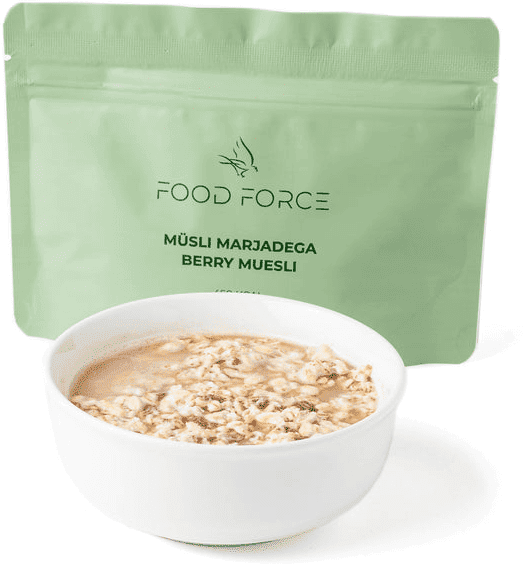
Food Force Bärmüsli 100gFood Force Müsli med bär 100 g. Frystorkad mat - För den aktiva som älskar utelivet. Tillagning - Öppna påsen och vik ut kanterna från botten av påsen. Häll cirka 250ml vatten (rumstempererat eller kallt) i påsen och rör om väl. Ät och njut.59,00 SEK*Shipping: 59,00 SEKSecure redirect to the provider
-
Is the main clause and subordinate clause correct?
To determine if the main clause and subordinate clause are correct, you need to ensure that they are grammatically sound and that they make sense when combined. The main clause should be able to stand alone as a complete sentence, while the subordinate clause provides additional information but cannot stand alone. Checking for subject-verb agreement and proper punctuation between the two clauses can help confirm their correctness. **
-
How do I recognize a relative clause, a conjunctional clause, and an interrogative clause?
A relative clause typically starts with a relative pronoun (such as who, whom, whose, which, or that) and provides more information about a noun in the main clause. A conjunctional clause, on the other hand, is introduced by a conjunction (such as and, but, or because) and connects two independent clauses. An interrogative clause is a type of clause that asks a question and is typically introduced by an interrogative pronoun (such as who, what, when, where, why, or how) or an interrogative adverb (such as how, when, or where). **
-
How can I recognize a relative clause, a conjunctional clause, and an interrogative clause?
A relative clause is a type of dependent clause that typically starts with a relative pronoun (such as who, whom, whose, which, or that) and provides additional information about a noun in the main clause. A conjunctional clause, on the other hand, is a dependent clause that functions as an adverb, adjective, or noun in a sentence and is connected to the main clause by a conjunction (such as because, although, if, when, etc.). An interrogative clause is a type of clause that asks a question and typically begins with a question word (such as who, what, where, when, why, or how) or with a helping verb followed by the subject. **
-
Is the accompanying clause in direct speech a main clause or a subordinate clause?
The accompanying clause in direct speech can be either a main clause or a subordinate clause, depending on its role in the sentence. If the clause is expressing a complete thought and can stand alone as a sentence, then it is a main clause. However, if the clause is dependent on the rest of the sentence for its meaning and cannot stand alone, then it is a subordinate clause. It's important to consider the context and structure of the sentence to determine the role of the accompanying clause in direct speech. **
* All prices are inclusive of VAT and, if applicable, plus shipping costs. The offer information is based on the details provided by the respective shop and is updated through automated processes. Real-time updates do not occur, so deviations can occur in individual cases. ** Note: Parts of this content were created by AI.