Buy foofl.com ?
We are moving the project
foofl.com .
Are you interested in purchasing the domain
foofl.com ?
domain@kv-gmbh.de · 0541-91531010
Buy foofl.com ?
How much copper is in the cable?
The amount of copper in a cable can vary depending on the type and size of the cable. Generally, copper cables contain a significant amount of copper, as it is a highly conductive material. For example, a standard household electrical cable may contain around 65-70% copper by weight. However, the exact amount of copper in a specific cable can be determined by looking at the cable's specifications or by conducting a chemical analysis. **
Is the cable made of copper or not?
Yes, the cable is made of copper. Copper is a common material used in cables due to its excellent conductivity and durability. It is often preferred for transmitting electrical signals efficiently and reliably. **


Similar search terms for HPE-Copper-Cable
Top-Angebote
Products related to HPE-Copper-Cable:



-
What type of copper is in this cable?
The cable contains copper conductors that are typically made of oxygen-free high thermal conductivity (OFHC) copper. OFHC copper is a high-quality, pure form of copper that has been refined to reduce impurities and improve conductivity. This type of copper is commonly used in high-performance cables to ensure efficient transmission of electrical signals. **
-
Why has the cable or copper wire turned black?
The cable or copper wire has turned black due to a process called oxidation. When copper is exposed to oxygen and moisture in the air, it forms copper oxide, which appears as a black layer on the surface of the metal. This black layer is a natural reaction that occurs over time and does not affect the functionality of the wire. However, if the oxidation is excessive, it can lead to corrosion and weaken the wire. **
-
Why has the cable or copper wire become black?
The black color on the surface of a cable or copper wire is typically due to oxidation. When copper is exposed to air and moisture, it undergoes a chemical reaction that forms copper oxide, which appears as a black or dark brown layer on the surface. This process is known as tarnishing. The presence of sulfur compounds in the air can also accelerate the formation of black copper oxide. While the black color may not affect the functionality of the wire, it is important to regularly inspect and clean the surface to prevent any potential corrosion or degradation of the wire over time. **
-
How can I extend a telephone line with copper cable?
To extend a telephone line with copper cable, you will need to obtain additional copper telephone cable, a wire cutter/stripper, and telephone line connectors. First, cut the existing telephone line where you want to extend it. Strip the insulation off the ends of both the existing line and the additional copper cable. Connect the two wires using the telephone line connectors, ensuring that you match the colors of the wires correctly. Finally, secure the connections with electrical tape or wire nuts to prevent any interference or disconnection. **

Why has the cable or the copper wire turned black?
The black color on the cable or copper wire is likely due to oxidation. When copper is exposed to air and moisture, it can form a layer of copper oxide on its surface, which appears black. This process is a natural result of the metal reacting with its environment over time. Additionally, exposure to heat or other environmental factors can also contribute to the blackening of the copper wire. **
Can a radio antenna be extended with a copper cable?
Yes, a radio antenna can be extended with a copper cable. Copper is a good conductor of electricity and is commonly used in antenna systems to transmit and receive radio signals. By connecting a copper cable to the existing antenna, the range and reception of the radio signal can be extended. However, it is important to ensure that the cable is of the appropriate length and quality to minimize signal loss and interference. **
Top-Angebote
Products related to HPE-Copper-Cable:
-
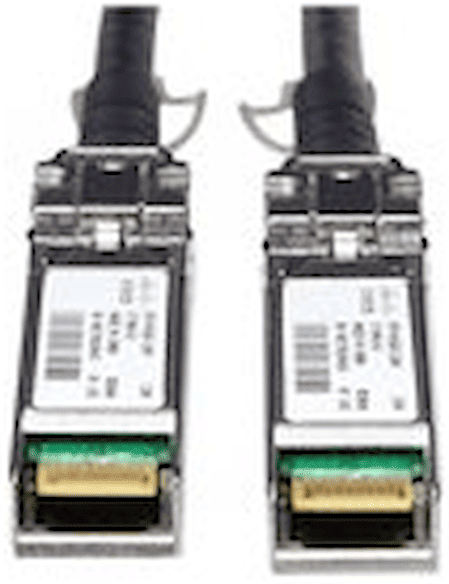
HPE Aruba Direct Attach Copper Cable - 10GBaseHPE Aruba Direct Attach Copper Cable - 10GBase direktkopplingskabel - SFP+ (hane) till SFP+ (hane) - 3 m - dubbelaxlad - passiv - för HPE Aruba 2540 48, 2930F 24, 2930M 24, 6200F 12, 6200M 24, 83XX, CX 10000, 6405 v2, 8360\n\n3368,75 SEK*Shipping: 0,00 SEKSecure redirect to the provider
-
HPE Copper Cable - 25GBase direktkopplingskabel - SFP28 (hane)HPE Copper Cable - 25GBase direktkopplingskabel - SFP28 (hane) till SFP28 (hane) - 3 m - för HPE SN2410, SN2410M 25, Primera 600, 600 2-way, 600 4-way, StoreOnce 36XX, 52XX, CX 8360\n\n5430,00 SEK*Shipping: 0,00 SEKSecure redirect to the provider
-
How much copper is in the cable?
The amount of copper in a cable can vary depending on the type and size of the cable. Generally, copper cables contain a significant amount of copper, as it is a highly conductive material. For example, a standard household electrical cable may contain around 65-70% copper by weight. However, the exact amount of copper in a specific cable can be determined by looking at the cable's specifications or by conducting a chemical analysis. **
-
Is the cable made of copper or not?
Yes, the cable is made of copper. Copper is a common material used in cables due to its excellent conductivity and durability. It is often preferred for transmitting electrical signals efficiently and reliably. **
-
What type of copper is in this cable?
The cable contains copper conductors that are typically made of oxygen-free high thermal conductivity (OFHC) copper. OFHC copper is a high-quality, pure form of copper that has been refined to reduce impurities and improve conductivity. This type of copper is commonly used in high-performance cables to ensure efficient transmission of electrical signals. **
-
Why has the cable or copper wire turned black?
The cable or copper wire has turned black due to a process called oxidation. When copper is exposed to oxygen and moisture in the air, it forms copper oxide, which appears as a black layer on the surface of the metal. This black layer is a natural reaction that occurs over time and does not affect the functionality of the wire. However, if the oxidation is excessive, it can lead to corrosion and weaken the wire. **
Similar search terms for HPE-Copper-Cable
-
Cisco Systems Cisco SFP+ Copper Twinax Cable - Direktkopplingskabel - SFP+Cisco SFP+ Copper Twinax Cable - Direktkopplingskabel - SFP+ till SFP+ - 5 m - dubbelaxlad - SFF-8436/IEEE 802.3ae - för 250 Series, Catalyst 2960, 2960G, 2960S, ESS9300, Nexus 93180, 9336, 9372, UCS 6140, C4200\n\n1403,75 SEK*Shipping: 0,00 SEKSecure redirect to the provider
-
Why has the cable or copper wire become black?
The black color on the surface of a cable or copper wire is typically due to oxidation. When copper is exposed to air and moisture, it undergoes a chemical reaction that forms copper oxide, which appears as a black or dark brown layer on the surface. This process is known as tarnishing. The presence of sulfur compounds in the air can also accelerate the formation of black copper oxide. While the black color may not affect the functionality of the wire, it is important to regularly inspect and clean the surface to prevent any potential corrosion or degradation of the wire over time. **
-
How can I extend a telephone line with copper cable?
To extend a telephone line with copper cable, you will need to obtain additional copper telephone cable, a wire cutter/stripper, and telephone line connectors. First, cut the existing telephone line where you want to extend it. Strip the insulation off the ends of both the existing line and the additional copper cable. Connect the two wires using the telephone line connectors, ensuring that you match the colors of the wires correctly. Finally, secure the connections with electrical tape or wire nuts to prevent any interference or disconnection. **
-
Why has the cable or the copper wire turned black?
The black color on the cable or copper wire is likely due to oxidation. When copper is exposed to air and moisture, it can form a layer of copper oxide on its surface, which appears black. This process is a natural result of the metal reacting with its environment over time. Additionally, exposure to heat or other environmental factors can also contribute to the blackening of the copper wire. **
-
Can a radio antenna be extended with a copper cable?
Yes, a radio antenna can be extended with a copper cable. Copper is a good conductor of electricity and is commonly used in antenna systems to transmit and receive radio signals. By connecting a copper cable to the existing antenna, the range and reception of the radio signal can be extended. However, it is important to ensure that the cable is of the appropriate length and quality to minimize signal loss and interference. **
* All prices are inclusive of VAT and, if applicable, plus shipping costs. The offer information is based on the details provided by the respective shop and is updated through automated processes. Real-time updates do not occur, so deviations can occur in individual cases. ** Note: Parts of this content were created by AI.