Buy foofl.com ?
We are moving the project
foofl.com .
Are you interested in purchasing the domain
foofl.com ?
domain@kv-gmbh.de · 0541-91531010
Buy foofl.com ?
"Is magnesium lost during cooking?"
Yes, magnesium can be lost during cooking, especially when foods are boiled or soaked in water. This is because magnesium is a water-soluble mineral that can leach out into the cooking water. To minimize magnesium loss, it is recommended to cook foods using methods that involve minimal water, such as steaming or microwaving. Additionally, consuming the cooking water or broth from boiled foods can help retain some of the lost magnesium. **
Is magnesium lost during cooking?
Yes, some magnesium can be lost during cooking. The amount of magnesium lost depends on the cooking method used. Boiling and steaming can lead to some loss of magnesium, as it can leach out into the cooking water. However, other cooking methods such as baking or grilling may result in less magnesium loss. To minimize magnesium loss during cooking, it is recommended to use cooking methods that involve minimal water and shorter cooking times. **


Similar search terms for Helhetshälsa-Magnesium-Optimal-100
Top-Angebote
Products related to Helhetshälsa-Magnesium-Optimal-100:

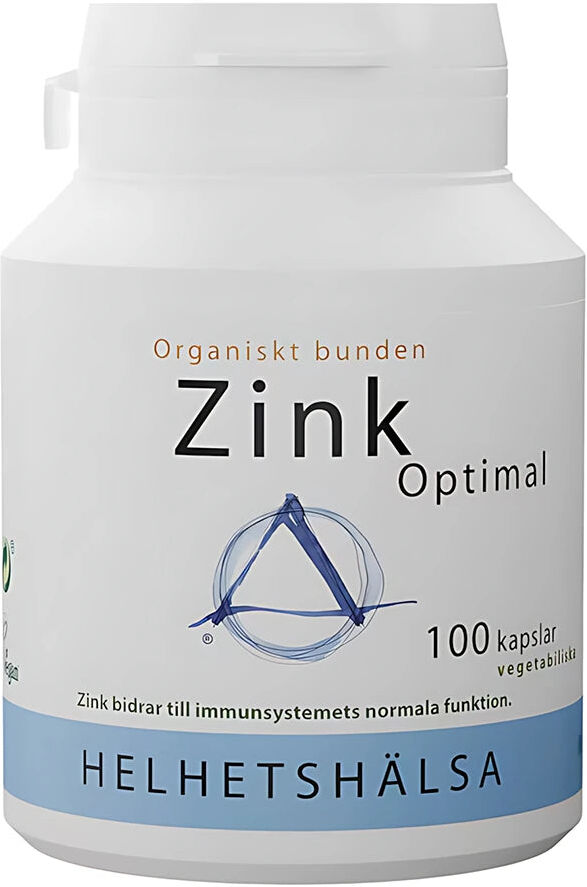

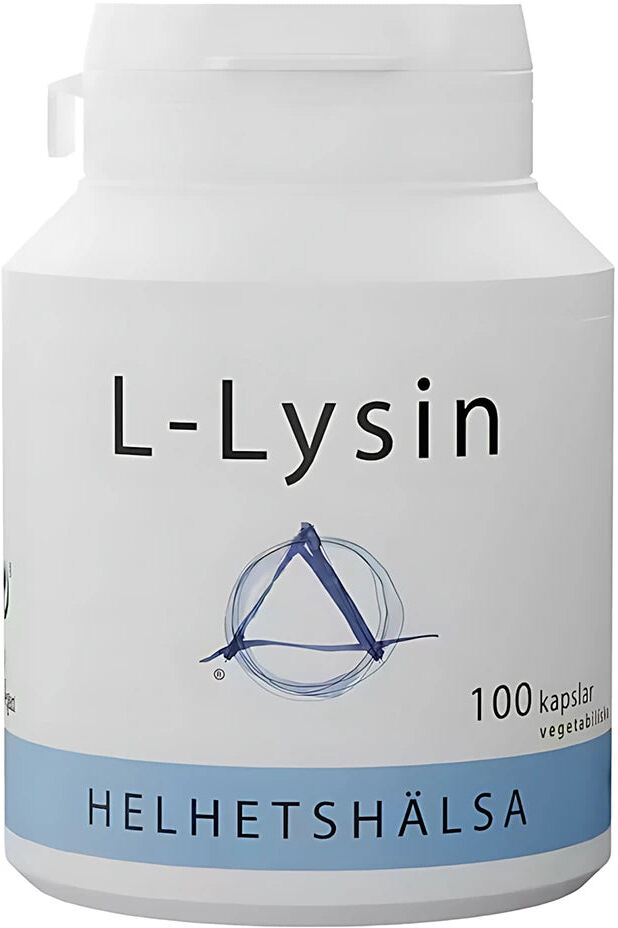
-
Where can one buy magnesium milk (magnesium hydroxide)?
Magnesium milk, also known as magnesium hydroxide, can be purchased at most pharmacies, health food stores, and online retailers. It is commonly sold over-the-counter as a dietary supplement or antacid. Some popular brands that offer magnesium milk include Phillips' Milk of Magnesia and Maalox. **
-
What is magnesium and are there magnesium atoms?
Magnesium is a chemical element with the symbol Mg and atomic number 12. It is a shiny gray solid that is commonly found in nature and is essential for many biological processes in the human body. Magnesium atoms are the smallest unit of magnesium and make up the element itself. Each magnesium atom contains 12 protons in its nucleus, along with a varying number of neutrons and electrons. **
-
What is the optimal temperature for dog food?
The optimal temperature for dog food is room temperature, around 68-72°F (20-22°C). This temperature range allows for the food to be palatable and easily digestible for dogs. Serving food at this temperature also helps to preserve the nutritional value of the food. It's important to avoid serving dog food that is too hot or too cold, as extreme temperatures can be harmful to a dog's digestive system. **
-
What is the difference between magnesium and magnesium citrate?
Magnesium is a mineral that is essential for various bodily functions, including muscle and nerve function, blood sugar regulation, and bone health. Magnesium citrate is a form of magnesium that is combined with citric acid, which can help improve its absorption in the body. Magnesium citrate is often used as a supplement to help with constipation, as it has a laxative effect. Overall, the main difference between magnesium and magnesium citrate is the form in which they are available and their specific benefits for the body. **


What is the reaction between magnesium and magnesium chloride?
When magnesium reacts with magnesium chloride, the magnesium metal displaces the chloride ions in the compound, resulting in the formation of magnesium chloride and elemental magnesium. The balanced chemical equation for this reaction is: Mg + MgCl2 -> 2MgCl This reaction is an example of a single displacement reaction, where one element displaces another in a compound to form a new compound and elemental form of the displaced element. **
Why are there no differences in the combustion of the three isotopes magnesium-24, magnesium-25, and magnesium-26 to magnesium oxide?
The combustion of magnesium isotopes to magnesium oxide does not result in any differences because the chemical properties of an element are determined by its number of protons and electrons, not its number of neutrons. Since all three isotopes of magnesium have the same number of protons and electrons, they will react with oxygen in the same way to form magnesium oxide. Therefore, the combustion of the three isotopes will result in the same chemical reaction and the same product. **
Top-Angebote
Products related to Helhetshälsa-Magnesium-Optimal-100:
-
"Is magnesium lost during cooking?"
Yes, magnesium can be lost during cooking, especially when foods are boiled or soaked in water. This is because magnesium is a water-soluble mineral that can leach out into the cooking water. To minimize magnesium loss, it is recommended to cook foods using methods that involve minimal water, such as steaming or microwaving. Additionally, consuming the cooking water or broth from boiled foods can help retain some of the lost magnesium. **
-
Is magnesium lost during cooking?
Yes, some magnesium can be lost during cooking. The amount of magnesium lost depends on the cooking method used. Boiling and steaming can lead to some loss of magnesium, as it can leach out into the cooking water. However, other cooking methods such as baking or grilling may result in less magnesium loss. To minimize magnesium loss during cooking, it is recommended to use cooking methods that involve minimal water and shorter cooking times. **
-
Where can one buy magnesium milk (magnesium hydroxide)?
Magnesium milk, also known as magnesium hydroxide, can be purchased at most pharmacies, health food stores, and online retailers. It is commonly sold over-the-counter as a dietary supplement or antacid. Some popular brands that offer magnesium milk include Phillips' Milk of Magnesia and Maalox. **
-
What is magnesium and are there magnesium atoms?
Magnesium is a chemical element with the symbol Mg and atomic number 12. It is a shiny gray solid that is commonly found in nature and is essential for many biological processes in the human body. Magnesium atoms are the smallest unit of magnesium and make up the element itself. Each magnesium atom contains 12 protons in its nucleus, along with a varying number of neutrons and electrons. **
Similar search terms for Helhetshälsa-Magnesium-Optimal-100
-
What is the optimal temperature for dog food?
The optimal temperature for dog food is room temperature, around 68-72°F (20-22°C). This temperature range allows for the food to be palatable and easily digestible for dogs. Serving food at this temperature also helps to preserve the nutritional value of the food. It's important to avoid serving dog food that is too hot or too cold, as extreme temperatures can be harmful to a dog's digestive system. **
-
What is the difference between magnesium and magnesium citrate?
Magnesium is a mineral that is essential for various bodily functions, including muscle and nerve function, blood sugar regulation, and bone health. Magnesium citrate is a form of magnesium that is combined with citric acid, which can help improve its absorption in the body. Magnesium citrate is often used as a supplement to help with constipation, as it has a laxative effect. Overall, the main difference between magnesium and magnesium citrate is the form in which they are available and their specific benefits for the body. **
-
What is the reaction between magnesium and magnesium chloride?
When magnesium reacts with magnesium chloride, the magnesium metal displaces the chloride ions in the compound, resulting in the formation of magnesium chloride and elemental magnesium. The balanced chemical equation for this reaction is: Mg + MgCl2 -> 2MgCl This reaction is an example of a single displacement reaction, where one element displaces another in a compound to form a new compound and elemental form of the displaced element. **
-
Why are there no differences in the combustion of the three isotopes magnesium-24, magnesium-25, and magnesium-26 to magnesium oxide?
The combustion of magnesium isotopes to magnesium oxide does not result in any differences because the chemical properties of an element are determined by its number of protons and electrons, not its number of neutrons. Since all three isotopes of magnesium have the same number of protons and electrons, they will react with oxygen in the same way to form magnesium oxide. Therefore, the combustion of the three isotopes will result in the same chemical reaction and the same product. **
* All prices are inclusive of VAT and, if applicable, plus shipping costs. The offer information is based on the details provided by the respective shop and is updated through automated processes. Real-time updates do not occur, so deviations can occur in individual cases. ** Note: Parts of this content were created by AI.