Buy foofl.com ?
We are moving the project
foofl.com .
Are you interested in purchasing the domain
foofl.com ?
domain@kv-gmbh.de · 0541-91531010
Buy foofl.com ?
What is marine acoustics?
Marine acoustics is the study of sound in the ocean and its interaction with marine life, the seafloor, and the water itself. It involves the use of underwater sound to study and monitor marine environments, including the behavior and communication of marine animals, the mapping of the seafloor, and the detection of underwater objects and phenomena. Marine acoustics also plays a crucial role in understanding the impact of human activities, such as shipping, sonar, and offshore energy exploration, on marine ecosystems. **
What is the meaning of subwoofer in acoustics?
A subwoofer is a type of loudspeaker designed to reproduce low-frequency sound, typically in the range of 20-200 Hz. It is responsible for producing deep bass tones that can be felt as much as heard, adding richness and depth to audio playback. Subwoofers are commonly used in home theater systems, car audio setups, and live music venues to enhance the overall sound quality and create a more immersive listening experience. **
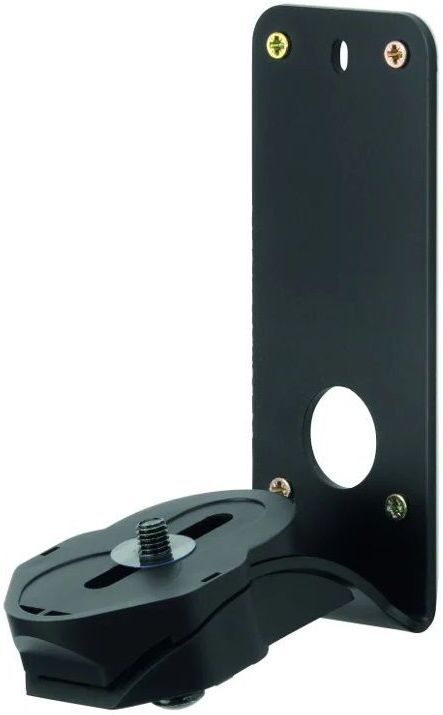
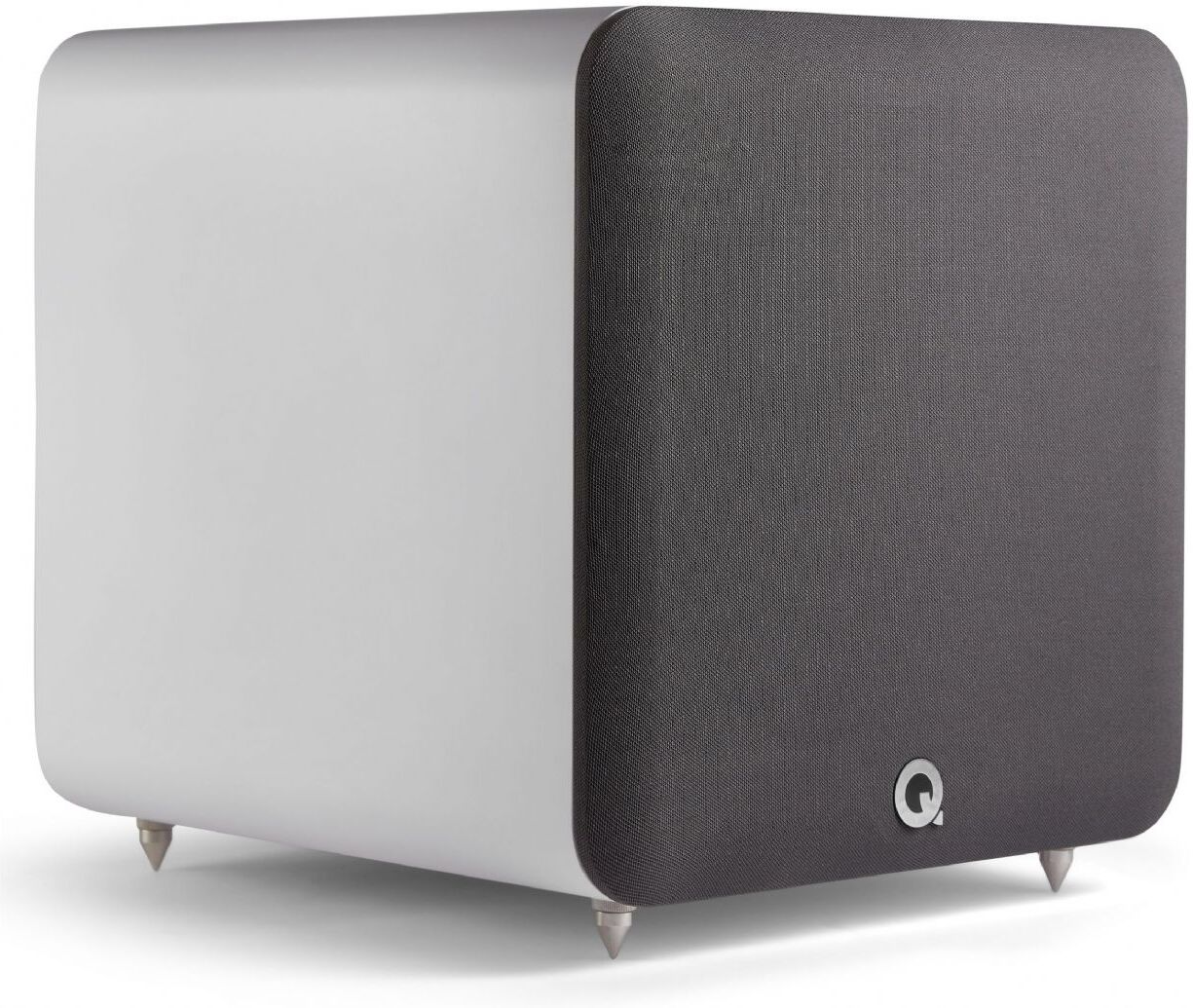
Similar search terms for Q-Acoustics-WB50-Wall
Top-Angebote
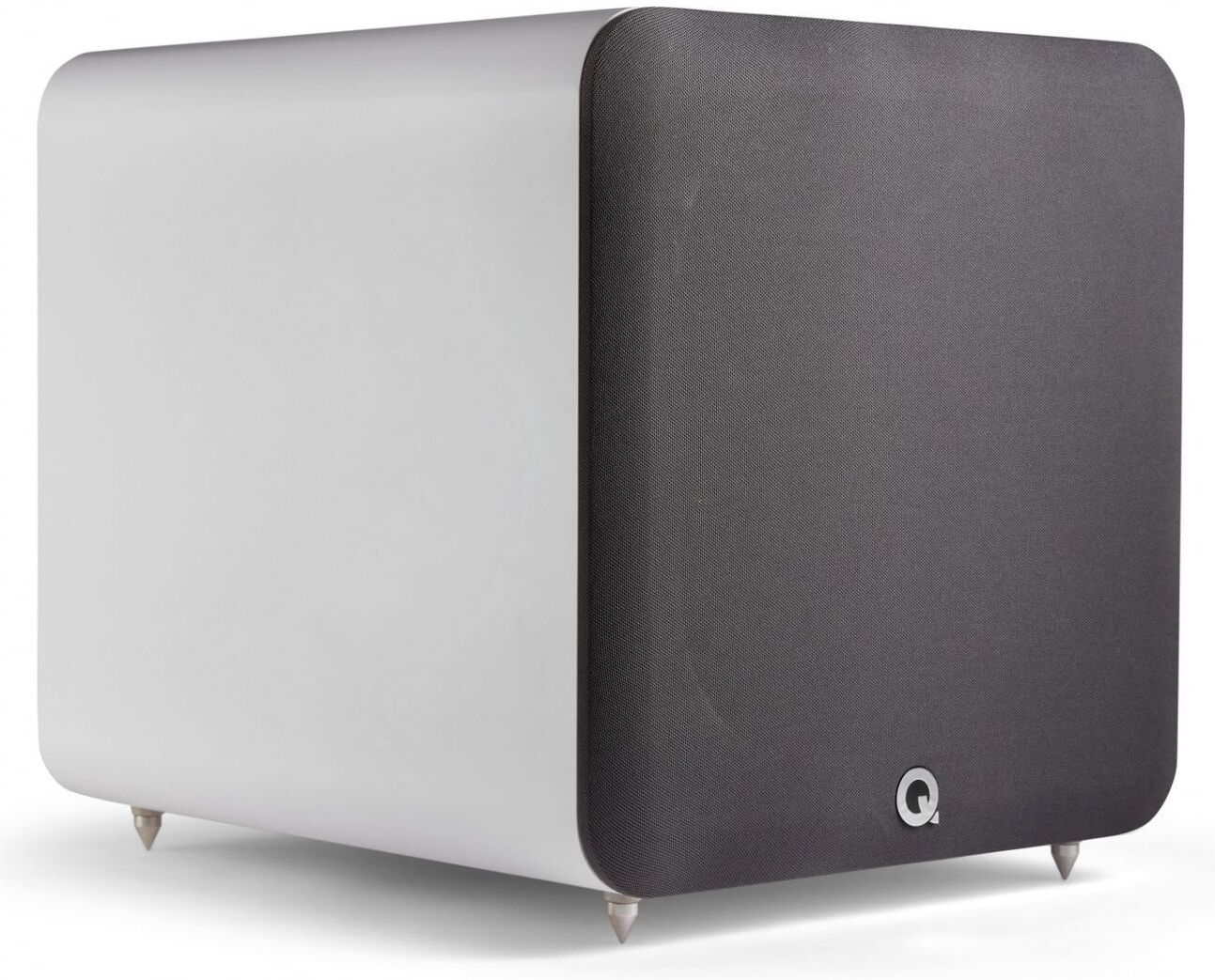
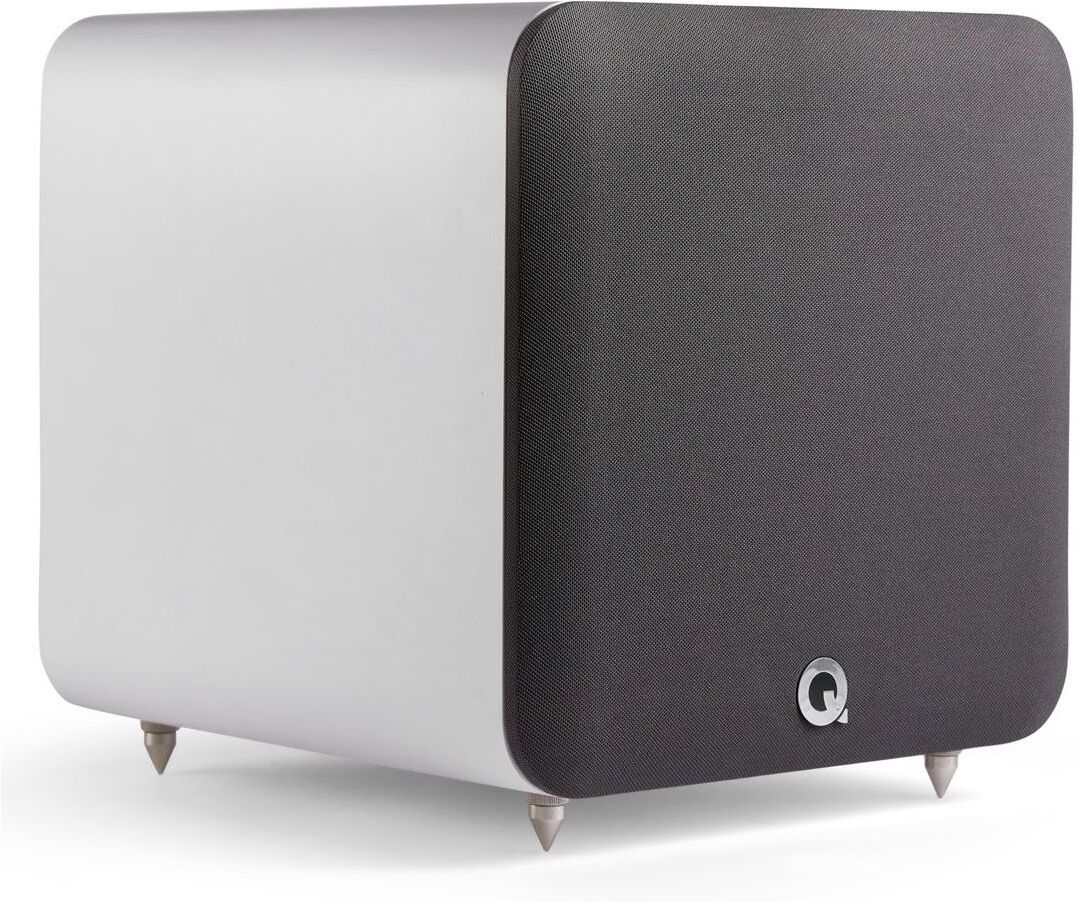
Products related to Q-Acoustics-WB50-Wall:


-
What is the difference between acoustics and acoustic?
Acoustics is the scientific study of sound, including its production, transmission, and effects. It encompasses the study of how sound waves behave in different environments and how they interact with various materials. On the other hand, acoustic refers to the properties or qualities of sound, particularly in relation to the way it is produced or transmitted. It is often used to describe the sound characteristics of a space or an instrument, such as acoustic guitar or acoustic insulation. In summary, acoustics is the study of sound, while acoustic refers to the sound itself or its properties. **
-
What is the difference between optics and acoustics?
Optics is the study of light and its behavior, including how it is generated, transmitted, and detected. It deals with the properties and behavior of light, such as reflection, refraction, and diffraction. Acoustics, on the other hand, is the study of sound and its behavior, including how it is generated, transmitted, and detected. It deals with the properties and behavior of sound waves, such as frequency, amplitude, and resonance. In summary, optics focuses on the properties and behavior of light, while acoustics focuses on the properties and behavior of sound. **
-
Which microphone would you recommend for poor room acoustics?
I would recommend using a dynamic microphone for poor room acoustics. Dynamic microphones are less sensitive to room reflections and background noise, making them a good choice for capturing clean audio in less-than-ideal acoustic environments. Additionally, dynamic microphones are often more affordable than condenser microphones, making them a practical option for those working in spaces with poor acoustics. **
-
What was the difference between q and q again?
The main difference between q and q is that q is used for asking questions or seeking information, while q is used for quoting someone or something. Q is typically followed by a question mark, while q is followed by quotation marks. It is important to use the correct form depending on whether you are asking a question or quoting someone. **


Is R^q a Q-vector space in R?
Yes, R^q is a Q-vector space in R. This is because R^q is a set of q-tuples of real numbers, and the operations of addition and scalar multiplication are defined component-wise. Since the real numbers are closed under addition and multiplication by rational numbers, R^q is also closed under these operations, making it a Q-vector space in R. **
How can one calculate the acoustics in physics using formulas?
To calculate the acoustics in physics, one can use formulas related to sound waves. The speed of sound in a medium can be calculated using the formula v = f * λ, where v is the speed of sound, f is the frequency of the sound wave, and λ is the wavelength. The intensity of sound can be calculated using the formula I = P/A, where I is the intensity, P is the power of the sound source, and A is the area over which the sound is spread. Additionally, the decibel level of sound can be calculated using the formula β = 10 * log(I/I0), where β is the decibel level, I is the intensity of the sound, and I0 is the reference intensity. **
Top-Angebote
Products related to Q-Acoustics-WB50-Wall:
-
What is marine acoustics?
Marine acoustics is the study of sound in the ocean and its interaction with marine life, the seafloor, and the water itself. It involves the use of underwater sound to study and monitor marine environments, including the behavior and communication of marine animals, the mapping of the seafloor, and the detection of underwater objects and phenomena. Marine acoustics also plays a crucial role in understanding the impact of human activities, such as shipping, sonar, and offshore energy exploration, on marine ecosystems. **
-
What is the meaning of subwoofer in acoustics?
A subwoofer is a type of loudspeaker designed to reproduce low-frequency sound, typically in the range of 20-200 Hz. It is responsible for producing deep bass tones that can be felt as much as heard, adding richness and depth to audio playback. Subwoofers are commonly used in home theater systems, car audio setups, and live music venues to enhance the overall sound quality and create a more immersive listening experience. **
-
What is the difference between acoustics and acoustic?
Acoustics is the scientific study of sound, including its production, transmission, and effects. It encompasses the study of how sound waves behave in different environments and how they interact with various materials. On the other hand, acoustic refers to the properties or qualities of sound, particularly in relation to the way it is produced or transmitted. It is often used to describe the sound characteristics of a space or an instrument, such as acoustic guitar or acoustic insulation. In summary, acoustics is the study of sound, while acoustic refers to the sound itself or its properties. **
-
What is the difference between optics and acoustics?
Optics is the study of light and its behavior, including how it is generated, transmitted, and detected. It deals with the properties and behavior of light, such as reflection, refraction, and diffraction. Acoustics, on the other hand, is the study of sound and its behavior, including how it is generated, transmitted, and detected. It deals with the properties and behavior of sound waves, such as frequency, amplitude, and resonance. In summary, optics focuses on the properties and behavior of light, while acoustics focuses on the properties and behavior of sound. **
Similar search terms for Q-Acoustics-WB50-Wall
-
Which microphone would you recommend for poor room acoustics?
I would recommend using a dynamic microphone for poor room acoustics. Dynamic microphones are less sensitive to room reflections and background noise, making them a good choice for capturing clean audio in less-than-ideal acoustic environments. Additionally, dynamic microphones are often more affordable than condenser microphones, making them a practical option for those working in spaces with poor acoustics. **
-
What was the difference between q and q again?
The main difference between q and q is that q is used for asking questions or seeking information, while q is used for quoting someone or something. Q is typically followed by a question mark, while q is followed by quotation marks. It is important to use the correct form depending on whether you are asking a question or quoting someone. **
-
Is R^q a Q-vector space in R?
Yes, R^q is a Q-vector space in R. This is because R^q is a set of q-tuples of real numbers, and the operations of addition and scalar multiplication are defined component-wise. Since the real numbers are closed under addition and multiplication by rational numbers, R^q is also closed under these operations, making it a Q-vector space in R. **
-
How can one calculate the acoustics in physics using formulas?
To calculate the acoustics in physics, one can use formulas related to sound waves. The speed of sound in a medium can be calculated using the formula v = f * λ, where v is the speed of sound, f is the frequency of the sound wave, and λ is the wavelength. The intensity of sound can be calculated using the formula I = P/A, where I is the intensity, P is the power of the sound source, and A is the area over which the sound is spread. Additionally, the decibel level of sound can be calculated using the formula β = 10 * log(I/I0), where β is the decibel level, I is the intensity of the sound, and I0 is the reference intensity. **
* All prices are inclusive of VAT and, if applicable, plus shipping costs. The offer information is based on the details provided by the respective shop and is updated through automated processes. Real-time updates do not occur, so deviations can occur in individual cases. ** Note: Parts of this content were created by AI.