Buy foofl.com ?
We are moving the project
foofl.com .
Are you interested in purchasing the domain
foofl.com ?
domain@kv-gmbh.de · 0541-91531010
Buy foofl.com ?
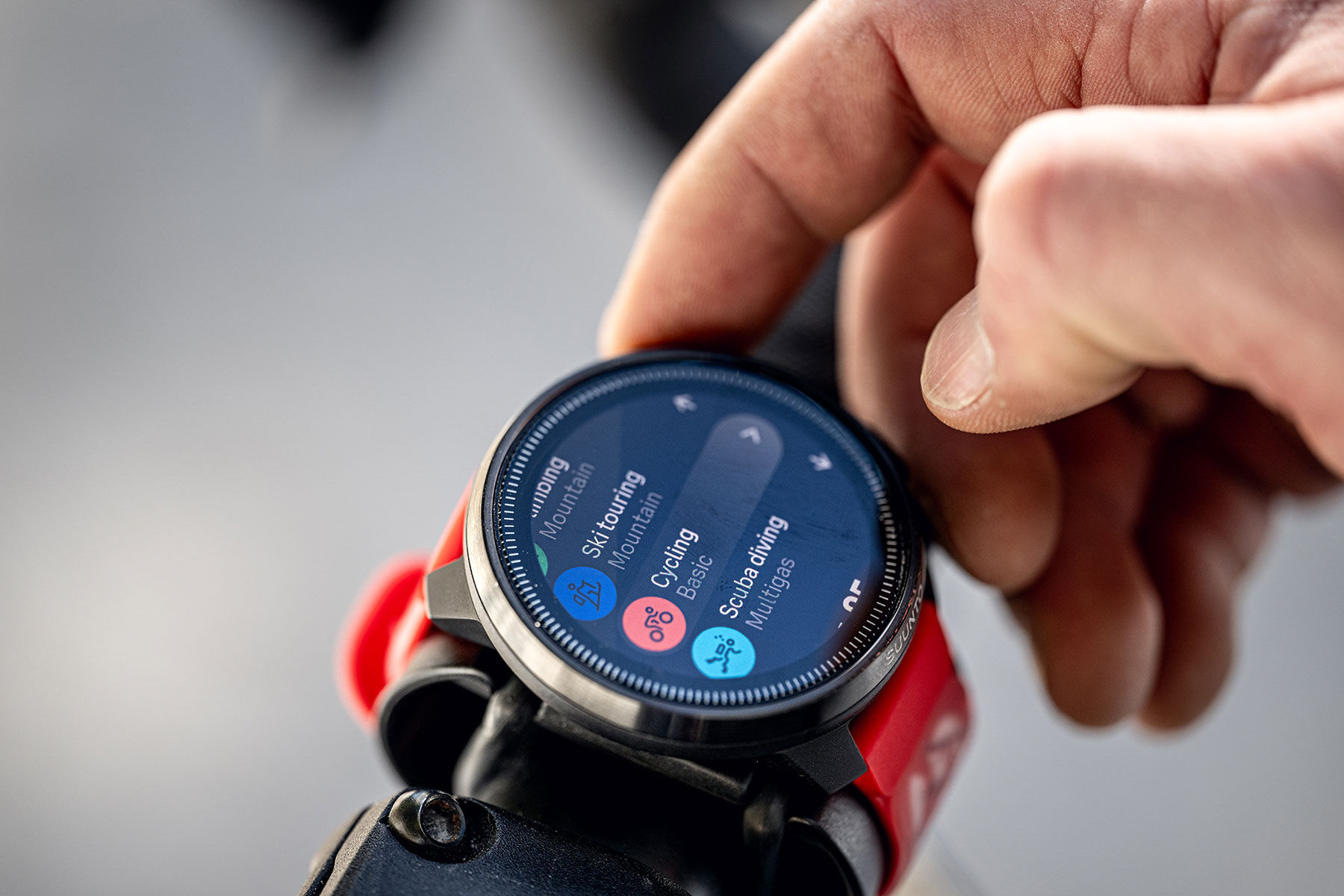
Where can I find a replacement part for the Suunto Observer ST wristband?
You can find a replacement wristband for the Suunto Observer ST on the official Suunto website or through authorized Suunto retailers. You can also check with local watch repair shops or online marketplaces such as Amazon or eBay. It's important to ensure that you are purchasing a genuine Suunto replacement part to ensure proper fit and function. **
Are these ocean planets?
No, these are not ocean planets. While they may have large amounts of water on their surfaces, they are not entirely covered in water like ocean planets such as Earth. These planets have a variety of surface features and may have different compositions and atmospheres that make them distinct from ocean planets. **


Similar search terms for Suunto-Ocean-Sand
Top-Angebote
Products related to Suunto-Ocean-Sand:



-
Why is the Atlantic Ocean rougher than the Indian and Pacific Ocean?
The Atlantic Ocean is generally rougher than the Indian and Pacific Oceans due to its location and weather patterns. The Atlantic Ocean is more exposed to strong winds and storms coming from the west, which can create larger waves and rougher conditions. Additionally, the Atlantic Ocean is narrower than the Indian and Pacific Oceans, which can amplify wave heights and make the water choppier. The combination of these factors contributes to the Atlantic Ocean being rougher compared to the other two oceans. **
-
Is dry sand heavier than wet sand?
No, dry sand is not heavier than wet sand. When sand becomes wet, the water fills the spaces between the grains of sand, adding weight but not necessarily making it heavier. In fact, wet sand can be easier to move and shape because the water helps the grains stick together. **
-
Can bird sand be used as aquarium sand?
No, bird sand should not be used as aquarium sand. Bird sand is typically made from crushed shells and can contain additives such as calcium and other minerals that are not suitable for aquarium use. Additionally, bird sand may not be the right size or texture for aquarium substrate, and it could potentially harm the aquatic life in the tank. It's best to use sand specifically designed for aquarium use to ensure the health and safety of your aquatic environment. **
-
Which ocean is the wildest?
The Southern Ocean is often considered the wildest ocean due to its strong winds, high waves, and extreme weather conditions. It is known for its unpredictable and harsh environment, making it a challenging place for sailors and researchers alike. **


Which ocean has fresh water?
The Arctic Ocean has fresh water. This is because it is covered by a thick layer of ice made up of frozen freshwater. As the ice melts, it releases fresh water into the ocean. This makes the Arctic Ocean one of the least salty oceans in the world. **
Can the ocean break out?
No, the ocean cannot "break out" in the traditional sense. The ocean is a vast body of water that is contained within the Earth's natural boundaries, such as coastlines and continental shelves. While the ocean can experience natural phenomena like tsunamis and storm surges that cause water to surge onto land, it does not "break out" in the same way that a contained substance might. The ocean's movements are largely dictated by natural forces and the Earth's geography. **
Top-Angebote
Products related to Suunto-Ocean-Sand:
-
Where can I find a replacement part for the Suunto Observer ST wristband?
You can find a replacement wristband for the Suunto Observer ST on the official Suunto website or through authorized Suunto retailers. You can also check with local watch repair shops or online marketplaces such as Amazon or eBay. It's important to ensure that you are purchasing a genuine Suunto replacement part to ensure proper fit and function. **
-
Are these ocean planets?
No, these are not ocean planets. While they may have large amounts of water on their surfaces, they are not entirely covered in water like ocean planets such as Earth. These planets have a variety of surface features and may have different compositions and atmospheres that make them distinct from ocean planets. **
-
Why is the Atlantic Ocean rougher than the Indian and Pacific Ocean?
The Atlantic Ocean is generally rougher than the Indian and Pacific Oceans due to its location and weather patterns. The Atlantic Ocean is more exposed to strong winds and storms coming from the west, which can create larger waves and rougher conditions. Additionally, the Atlantic Ocean is narrower than the Indian and Pacific Oceans, which can amplify wave heights and make the water choppier. The combination of these factors contributes to the Atlantic Ocean being rougher compared to the other two oceans. **
-
Is dry sand heavier than wet sand?
No, dry sand is not heavier than wet sand. When sand becomes wet, the water fills the spaces between the grains of sand, adding weight but not necessarily making it heavier. In fact, wet sand can be easier to move and shape because the water helps the grains stick together. **
Similar search terms for Suunto-Ocean-Sand
-
Can bird sand be used as aquarium sand?
No, bird sand should not be used as aquarium sand. Bird sand is typically made from crushed shells and can contain additives such as calcium and other minerals that are not suitable for aquarium use. Additionally, bird sand may not be the right size or texture for aquarium substrate, and it could potentially harm the aquatic life in the tank. It's best to use sand specifically designed for aquarium use to ensure the health and safety of your aquatic environment. **
-
Which ocean is the wildest?
The Southern Ocean is often considered the wildest ocean due to its strong winds, high waves, and extreme weather conditions. It is known for its unpredictable and harsh environment, making it a challenging place for sailors and researchers alike. **
-
Which ocean has fresh water?
The Arctic Ocean has fresh water. This is because it is covered by a thick layer of ice made up of frozen freshwater. As the ice melts, it releases fresh water into the ocean. This makes the Arctic Ocean one of the least salty oceans in the world. **
-
Can the ocean break out?
No, the ocean cannot "break out" in the traditional sense. The ocean is a vast body of water that is contained within the Earth's natural boundaries, such as coastlines and continental shelves. While the ocean can experience natural phenomena like tsunamis and storm surges that cause water to surge onto land, it does not "break out" in the same way that a contained substance might. The ocean's movements are largely dictated by natural forces and the Earth's geography. **
* All prices are inclusive of VAT and, if applicable, plus shipping costs. The offer information is based on the details provided by the respective shop and is updated through automated processes. Real-time updates do not occur, so deviations can occur in individual cases. ** Note: Parts of this content were created by AI.