Buy foofl.com ?
We are moving the project
foofl.com .
Are you interested in purchasing the domain
foofl.com ?
domain@kv-gmbh.de · 0541-91531010
Buy foofl.com ?
What is worse: packaging waste or food waste?
Both packaging waste and food waste have negative environmental impacts, but packaging waste may be considered worse in some ways. Packaging waste contributes to pollution and takes up space in landfills, and the production of packaging materials can also have a significant carbon footprint. On the other hand, food waste contributes to greenhouse gas emissions when it decomposes in landfills, and it also represents a waste of resources such as water and energy that were used to produce the food. Ultimately, both types of waste are concerning and efforts should be made to reduce both. **
Is this food waste?
Without specific information about the food in question, it is difficult to determine if it is food waste. Food waste typically refers to food that is discarded or uneaten, often due to spoilage or excess. If the food is still edible and can be used in some way, it may not be considered food waste. However, if the food is no longer safe to eat or has passed its expiration date, it may be considered food waste. **

Similar search terms for Waste
Top-Angebote
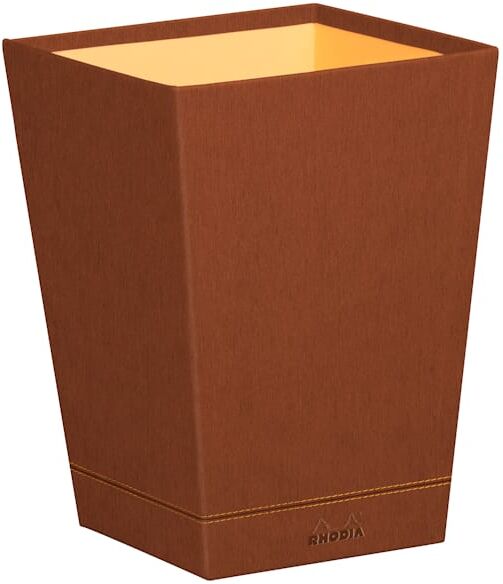
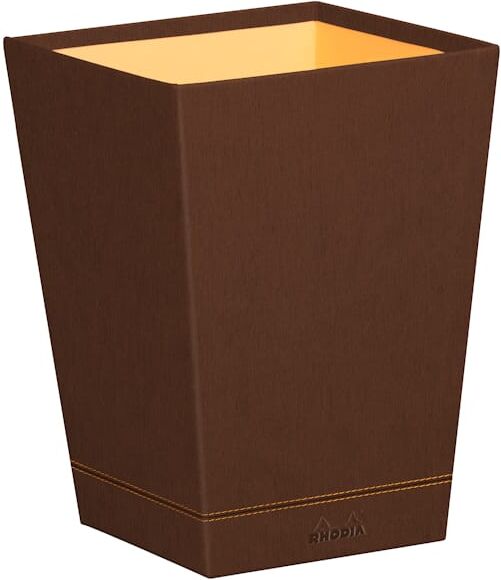
Products related to Waste:



-
How does the mother waste food?
The mother wastes food by buying more than the family can consume and letting it spoil. She also throws away leftovers instead of using them for future meals. Additionally, she may not properly store perishable items, leading to them going bad before they can be eaten. Overall, her lack of planning and organization leads to food being wasted in the household. **
-
Organic waste or residual waste?
Organic waste refers to biodegradable waste such as food scraps, yard waste, and paper products, which can be composted or converted into energy through anaerobic digestion. Residual waste, on the other hand, refers to non-recyclable and non-compostable waste that is typically sent to landfills or incinerated. When it comes to managing waste, it is important to prioritize the reduction and proper disposal of organic waste through composting and recycling, as it can have a more positive environmental impact compared to residual waste. **
-
What are tips to prevent food waste?
To prevent food waste, it is important to plan meals ahead of time and create a shopping list to avoid buying unnecessary items. Properly storing food in the refrigerator or freezer can help extend its shelf life. Using leftovers to create new meals or incorporating them into soups and stews is a great way to reduce waste. Additionally, being mindful of portion sizes and serving smaller portions can help prevent food from being thrown away. **
-
What are tips to reduce food waste?
To reduce food waste, it is important to plan meals ahead of time and create a shopping list to avoid buying unnecessary items. Properly storing food in the fridge or freezer can also help extend its shelf life. Using leftovers to create new meals or incorporating them into other dishes is a great way to minimize waste. Lastly, being mindful of portion sizes and serving sizes can help prevent overeating and reduce the amount of food that goes uneaten. **

What does the food waste ban mean?
The food waste ban refers to regulations or policies that prohibit the disposal of food waste in landfills. Instead, it requires food waste to be diverted to alternative methods such as composting, anaerobic digestion, or other forms of organic waste recycling. The goal of the food waste ban is to reduce the environmental impact of food waste in landfills, promote sustainable waste management practices, and encourage the recycling of organic materials to create valuable resources such as compost and renewable energy. **
Is it a sin to waste food?
Wasting food can be considered a sin in some religious and ethical traditions because it goes against the principles of gratitude, compassion, and stewardship. Many believe that wasting food is disrespectful to the resources and labor that went into producing it, and that it contributes to the suffering of those who are hungry. In addition, wasting food can also have negative environmental impacts, such as contributing to greenhouse gas emissions and landfill waste. Therefore, it is important to be mindful of our consumption and strive to minimize food waste. **
Top-Angebote
Products related to Waste:
-
What is worse: packaging waste or food waste?
Both packaging waste and food waste have negative environmental impacts, but packaging waste may be considered worse in some ways. Packaging waste contributes to pollution and takes up space in landfills, and the production of packaging materials can also have a significant carbon footprint. On the other hand, food waste contributes to greenhouse gas emissions when it decomposes in landfills, and it also represents a waste of resources such as water and energy that were used to produce the food. Ultimately, both types of waste are concerning and efforts should be made to reduce both. **
-
Is this food waste?
Without specific information about the food in question, it is difficult to determine if it is food waste. Food waste typically refers to food that is discarded or uneaten, often due to spoilage or excess. If the food is still edible and can be used in some way, it may not be considered food waste. However, if the food is no longer safe to eat or has passed its expiration date, it may be considered food waste. **
-
How does the mother waste food?
The mother wastes food by buying more than the family can consume and letting it spoil. She also throws away leftovers instead of using them for future meals. Additionally, she may not properly store perishable items, leading to them going bad before they can be eaten. Overall, her lack of planning and organization leads to food being wasted in the household. **
-
Organic waste or residual waste?
Organic waste refers to biodegradable waste such as food scraps, yard waste, and paper products, which can be composted or converted into energy through anaerobic digestion. Residual waste, on the other hand, refers to non-recyclable and non-compostable waste that is typically sent to landfills or incinerated. When it comes to managing waste, it is important to prioritize the reduction and proper disposal of organic waste through composting and recycling, as it can have a more positive environmental impact compared to residual waste. **
Similar search terms for Waste
-
What are tips to prevent food waste?
To prevent food waste, it is important to plan meals ahead of time and create a shopping list to avoid buying unnecessary items. Properly storing food in the refrigerator or freezer can help extend its shelf life. Using leftovers to create new meals or incorporating them into soups and stews is a great way to reduce waste. Additionally, being mindful of portion sizes and serving smaller portions can help prevent food from being thrown away. **
-
What are tips to reduce food waste?
To reduce food waste, it is important to plan meals ahead of time and create a shopping list to avoid buying unnecessary items. Properly storing food in the fridge or freezer can also help extend its shelf life. Using leftovers to create new meals or incorporating them into other dishes is a great way to minimize waste. Lastly, being mindful of portion sizes and serving sizes can help prevent overeating and reduce the amount of food that goes uneaten. **
-
What does the food waste ban mean?
The food waste ban refers to regulations or policies that prohibit the disposal of food waste in landfills. Instead, it requires food waste to be diverted to alternative methods such as composting, anaerobic digestion, or other forms of organic waste recycling. The goal of the food waste ban is to reduce the environmental impact of food waste in landfills, promote sustainable waste management practices, and encourage the recycling of organic materials to create valuable resources such as compost and renewable energy. **
-
Is it a sin to waste food?
Wasting food can be considered a sin in some religious and ethical traditions because it goes against the principles of gratitude, compassion, and stewardship. Many believe that wasting food is disrespectful to the resources and labor that went into producing it, and that it contributes to the suffering of those who are hungry. In addition, wasting food can also have negative environmental impacts, such as contributing to greenhouse gas emissions and landfill waste. Therefore, it is important to be mindful of our consumption and strive to minimize food waste. **
* All prices are inclusive of VAT and, if applicable, plus shipping costs. The offer information is based on the details provided by the respective shop and is updated through automated processes. Real-time updates do not occur, so deviations can occur in individual cases. ** Note: Parts of this content were created by AI.